Chevrolet Captiva Common Problems in Johannesburg: Recalls, Costs & Buying Guide
Chevrolet Captiva problems in Johannesburg: three confirmed safety recalls, ABS and alarm faults, steering and aircon wear, real Rand repair costs, and a buying-used checklist now that GM has left SA.
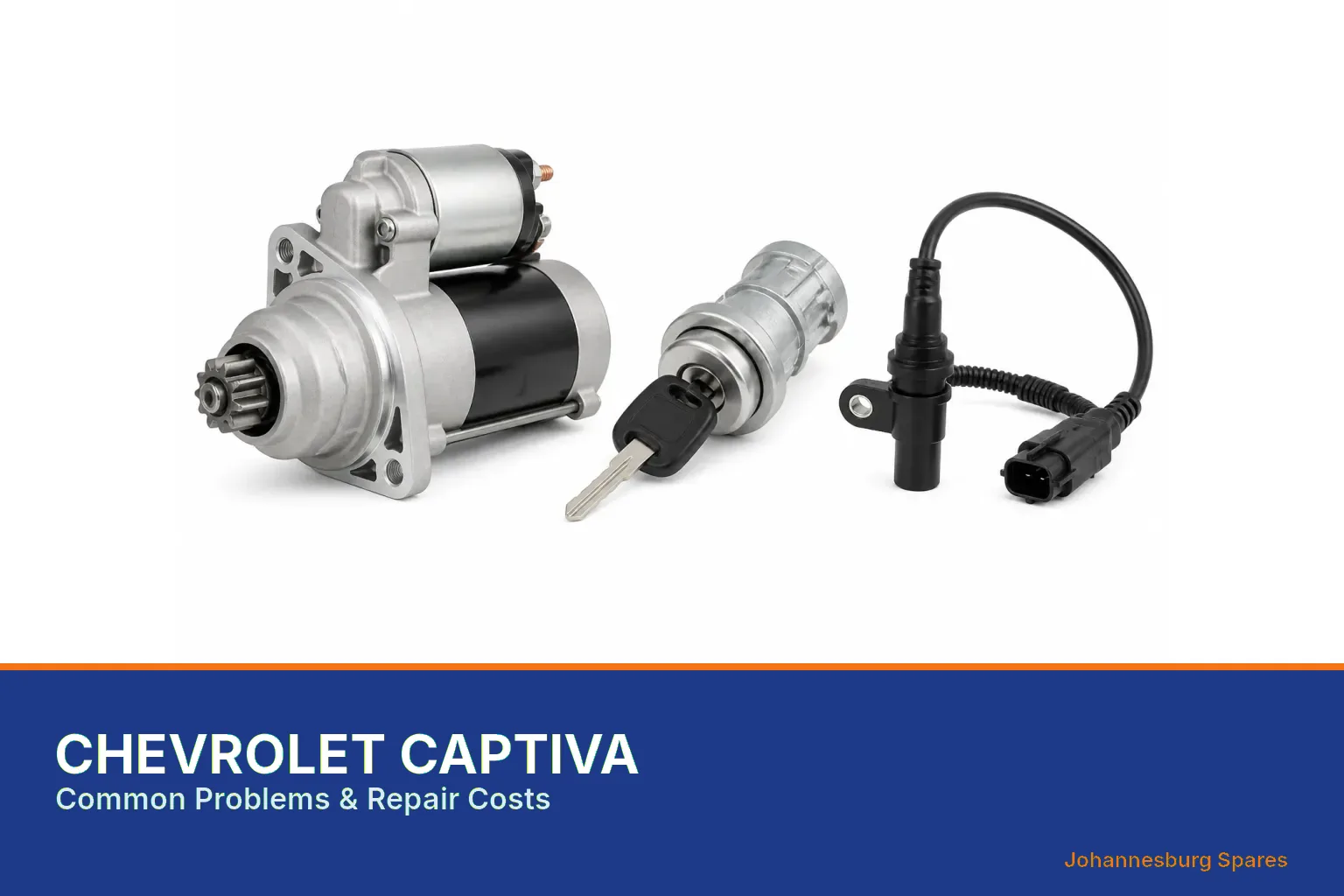
If you're running a Chevrolet Captiva in Johannesburg, the honest verdict is that reliability sits below average for the class. The picture is more serious than the usual wear-and-tear list too, because three separate safety recalls were issued in the UK for this exact car, and none of them have a publicly confirmed South African equivalent 123. Add in a well-documented pattern of ABS-linked warning-light cascades, false alarms, steering clunk and aircon compressor wear, and a realistic first-year repair reserve for a used Captiva is somewhere between R5,000 and R15,000 on top of the purchase price. The good news is that since GM pulled out of South Africa in 2017, independent workshops and aftermarket suppliers (us included) have become the only practical route to keep one on the road, and most of what follows is affordable to fix once you know what you're looking at.
Key Takeaways
- Three confirmed UK recalls, no known SA equivalent. A diesel fuel feed hose leak (fire risk), an ignition cylinder fault that can let the engine crank unintentionally, and a starter cable thermal-damage fault. Check your VIN against all three before you rely on this car.
- ABS, alarm and central-locking gremlins are common. Usually a corroded wheel-speed sensor connector or a loose earth, costing R650–R1,800 to sort and rarely anything more serious.
- Steering clunk and aircon faults show up with age. A worn steering rack runs R14,500 at the top end; aircon ranges from a R1,200 regas to R9,500 for a full compressor.
- No Chevrolet dealer network left in SA. Since GM's 2017 exit, parts and service run through Isuzu dealers and the independent/aftermarket trade, which is where we come in.
- This post covers what our Chevrolet Captiva parts hub doesn't. For the V6 timing chain, LP9 turbo actuator, water pump/EGR cooler and 6L45/6L50 automatic faults, see that page.
Chevrolet Captiva recalls: the three you should check for your VIN
Three UK government safety recalls were issued for the Captiva. Because GM South Africa's own recall-notification process stopped after the 2017 exit, there's no public SA-specific recall database to check against, so it's worth knowing what each one covers even on a car that was always sold here.
2.0 VCDi diesel fuel feed hose leak (Recall R/2018/129, 2007-2010 build). On RHD 2.0-litre diesel Captivas built in this window, the fuel feed hose's quick-connector can partially or fully disconnect, risking a fuel leak, stalling and, in the worst case, an engine-bay fire if fuel reaches an ignition source 1. One UK owner posted about a fresh fuel smell and a wet patch appearing near the fuel filter "this morning," and was immediately pointed at this exact recall by other forum members, who advised him to stop driving until it was checked 4. The retainer that holds the connector in place is a single-use part, so a car that's had any fuel-system work done, such as a filter or injector swap, is worth a second look even outside the original build-date range.
Ignition cylinder wear and shift-interlock lock-ups (Recall R/2015/114, 2006-2011 build, manual transmission). Repeated key insertion wears a trigger component inside the ignition barrel on manual Captivas from this period, which can, in rare cases, let the engine crank with the key already turned to OFF and a gear engaged 2. Separately, and with no formal recall attached, automatic Captivas can get stuck with the gear selector jammed in Park, the shift-lock-release mechanism refusing to free it. One UK forum owner's complaint was blunt: "shift lock release won't allow it to release" 5. If your Captiva is stuck in Park, a technician should check the brake-light switch and shift-interlock solenoid first, since that's the cheaper fix, before pulling the shift cable at the transmission end.
Starter motor cable thermal damage (Recall R/2016/263, stop/start cars built November 2013 to June 2015). Repeated stop/start cycling heats the starter motor's cable and crimped connector over time, which can damage the cable enough to take the starter motor down with it 3. The tell is a Captiva that won't crank despite a healthy battery: sometimes a single loud click, sometimes nothing at all. One owner with a 2012 2.2-diesel and only 29,000 km on the clock reported exactly this pattern, and paid around £600 (roughly R13,000) to have the cable reworked and the starter replaced once it had already failed 6. Forum regulars report the same failure on Series 2 cars outside the recall's narrow UK build window too, which suggests the cable and connector design is a wider weak point than the recall's scope (just 10 UK-registered vehicles) implies.
Watch out: none of these three recalls has a confirmed South African campaign. If your Captiva was ever UK-registered, or if the symptoms above match, get an independent diesel or auto-electrical specialist to check it proactively — don't assume "no recall letter" means "not affected."
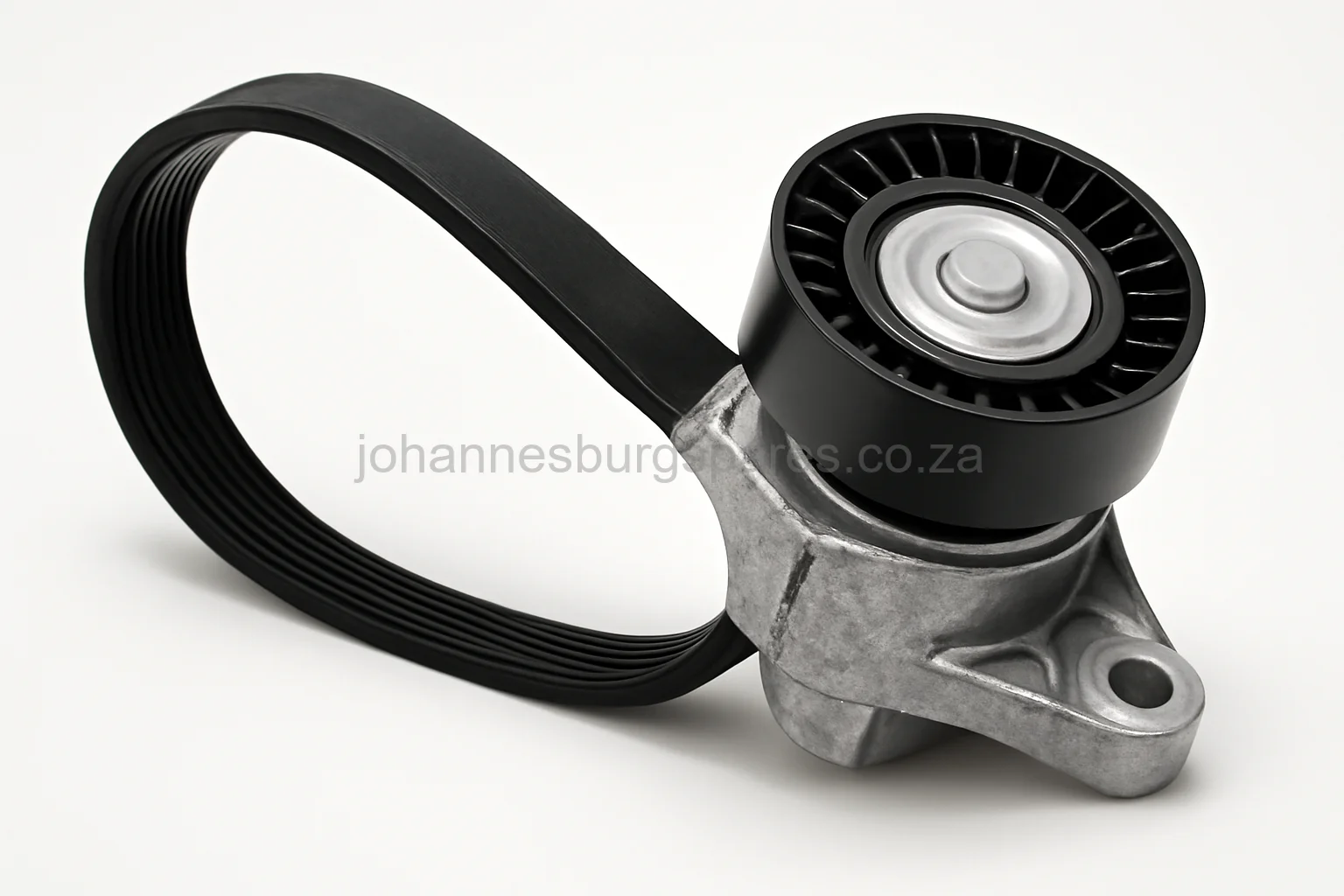
Captiva Fuel Hoses & Fuel-System Parts
Fuel feed hoses, quick-connector retainers and fuel filters for the 2.0 LP9 VCDi diesel Captiva. Tell us your VIN and build year and we'll check fitment and price it today.
Captiva won't crank: starter motor and cable failure
Beyond the recall window, a no-crank Captiva on a stop/start-equipped car is one of the most common roadside callouts we hear about. The symptom is consistent: the battery tests fine, the dash lights come on, but the engine simply doesn't turn over, sometimes after weeks of an intermittent no-start before it fails for good. Breakdown technicians report finding a seized or electrically failed starter motor behind the complaint, and the root cause traces back to the same heat-damaged cable and connector the recall addresses 36.
If you're quoted for the job, expect an independent Johannesburg auto-electrical workshop to first inspect the starter cable and its crimped connector for heat damage, then test the starter motor itself. If your Captiva falls inside the recall's narrow build window, the cable rework is free; out of warranty, the UK owner above paid around £600, roughly R13,000, for the full cable rework and starter replacement job. Genuine AC Delco starters aren't always quick to source through normal aftermarket channels since the 2017 GM exit, so a good used-original unit is often the faster route.
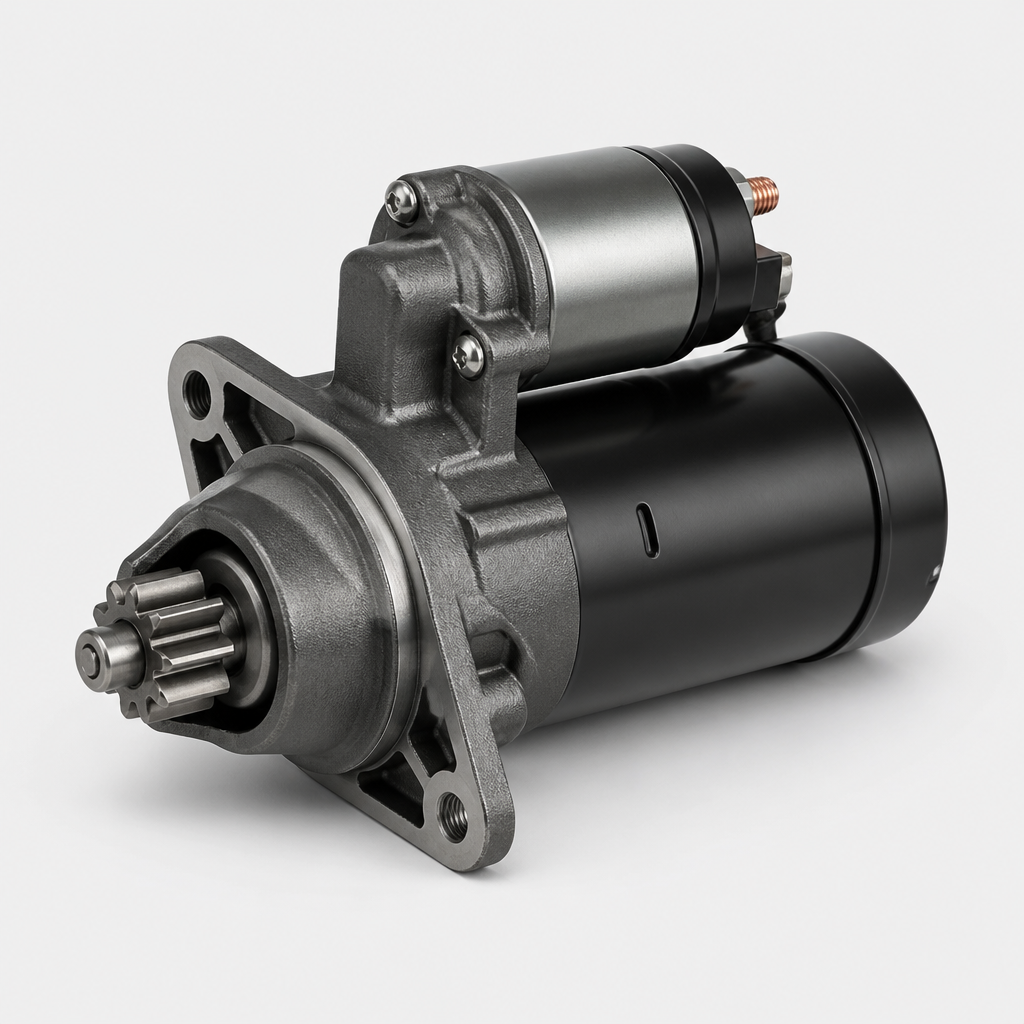
Captiva Starter Motors
New and quality used-original starter motors for the Captiva's 2.4 LE9, 3.2 LP1 and 2.0 LP9 engines, including stop/start-equipped cars. Send us your engine code and we'll quote you same day.
Captiva ABS light on with other warnings: the sensor gremlin that looks worse than it is
If your dashboard suddenly lights up with ABS, Down Hill Assist, Brake and Traction Control warnings all at once, it looks alarming. One UK owner photographed exactly this combination after it had been intermittent for about a week before going permanent 7. The reassuring part is that forum regulars estimate this explains roughly 90% of simultaneous multi-light cases on the Captiva, and the fix is usually a corroded or moisture-filled ABS wheel-speed sensor connector, most often starting at the near-side front wheel, rather than a failed sensor or an ABS module problem 7.
A related gremlin is the alarm sounding for no reason roughly a minute after you've locked up, sometimes persisting even after a dealer has already replaced the sensors and declared the car fault-free. One forum thread traced the real cause to a vibrated-loose earth connection inside the front fuse and relay box, triggering a false "tamper" state rather than an actual fault with the alarm sensors themselves 8. Central locking that won't lock or unlock one specific door, commonly the rear passenger side, while the rest of the car works normally is the same family of fault: a connector or wiring issue at that one point, not a system-wide failure.
Good to know: before paying for a new ABS sensor, ask an independent Johannesburg workshop to disconnect, inspect and clean the sensor's connector block first. It resolves the majority of these cases for the price of labour alone.
An independent Johannesburg workshop will typically charge R650 to R1,800 per wheel to inspect, clean or replace an ABS wheel-speed sensor, and up to R3,500 for fault-finding and repairing a recurring false-alarm earth connection. Either way, it's worth ruling out before assuming you need a new ABS module — those cost a great deal more and are rarely the actual problem.
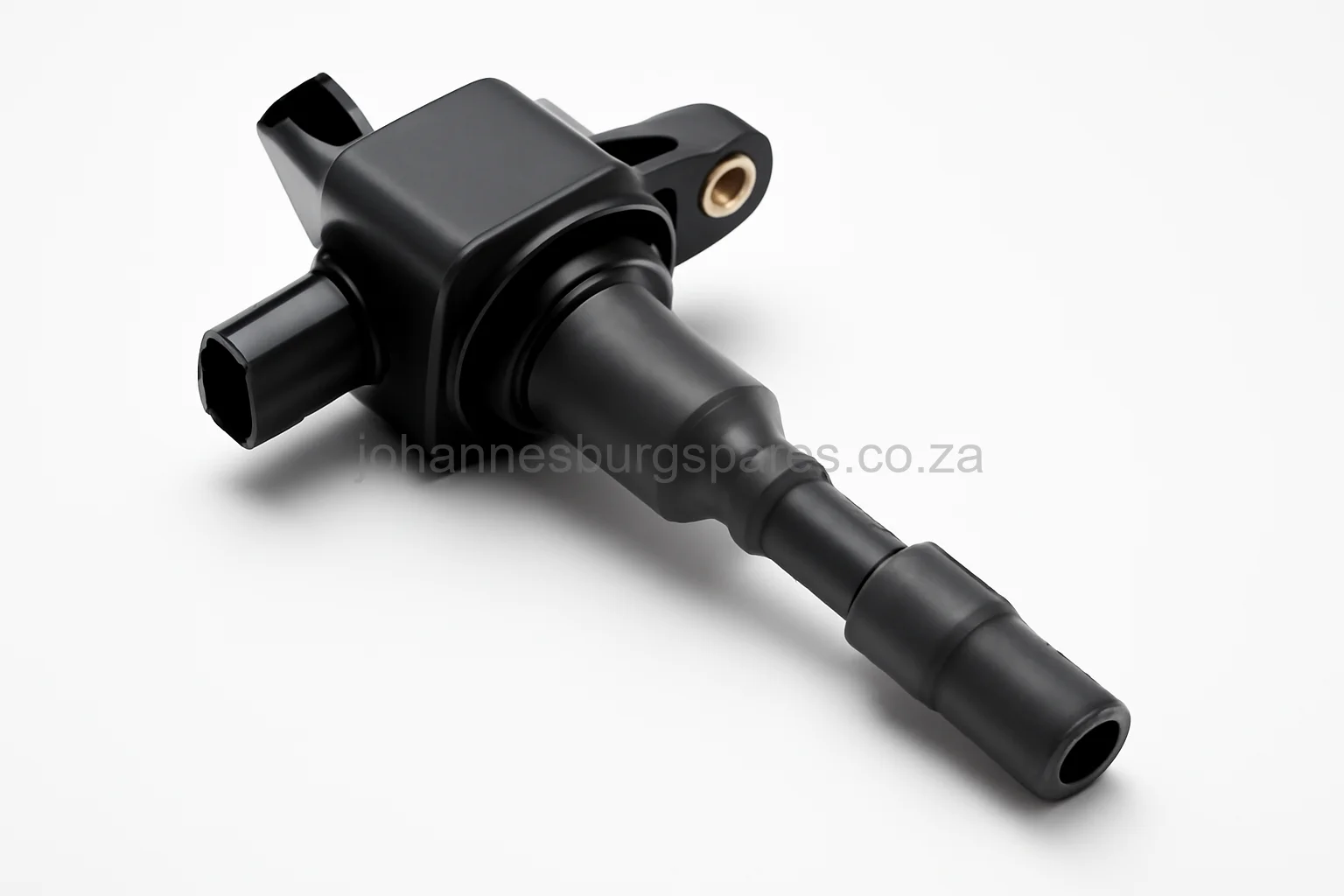
Captiva Ignition & Electrical Parts
Ignition key cylinders, ABS wheel-speed sensors and related electrical components for the Captiva. Give us your symptoms and we'll point you at the right part and price.
Steering clunk and the power-steering fluid question
A clunk or knock through the steering wheel at low speed, especially turning over a bump or in a parking lot, is a common complaint as Captivas age, usually down to a worn steering rack bushing or a tired steering-column intermediate-shaft coupling. It's ordinary wear and tear, not a safety recall, and most workshops start with the cheaper bushing or coupling repair before quoting a full rack replacement.
There's a separate, more specific issue worth knowing about if your Captiva has done any sustained low-range or towing work. The US-market Chevrolet Captiva Sport (the Theta-platform fleet vehicle built on the same mechanical architecture as our RHD car, though it's a different LHD, US-spec model) was recalled by NHTSA because running the transmission in manual first gear for extended periods could push power-steering fluid temperature close to the reservoir's melting point, risking a fluid leak and fire near an ignition source 9. That recall was never formally extended to RHD Captivas, and we're citing it here only as a platform-level design flag, not as proof the identical fault exists on an SA-spec car. Still, if you regularly tow or do low-range work, it's a reasonable thing to mention to an independent workshop at the next service.
Replacing the bushing or coupling alone is the cheaper route, with a full steering rack replacement using quality aftermarket parts running up to R14,500 once the play has developed inside the rack itself. Ask an independent workshop to quote the bushing or coupling fix first before agreeing to a full rack job. You'll find replacement steering and suspension components among our suspension parts for the Captiva.
The Captiva was also sold in Australia as the Holden Captiva, the same GM Theta-platform vehicle under a different badge. ReDriven's used-buyer review runs a dedicated "What goes wrong?" segment (from 9:12) that lines up with several of the faults in this guide, worth watching before you view a used Captiva in person.
Aircon blowing warm or cutting out while driving
Air-con trouble on the Captiva tends to follow one of two patterns: it cools fine at idle but cuts out once you're driving, or the compressor clutch won't engage at all, sometimes with a grinding or squealing noise when it tries to. One owner's exact description was that it "cools very well when idling but cuts out after a while when driving," a classic sign of either a refrigerant level issue tripping the compressor's high-pressure cut-off, or a compressor clutch bearing on its way out 1011.
Other common causes include stone or debris damage to the condenser, which sits low in the front bumper on this platform and takes the brunt of Johannesburg's gravel roads and potholes, and, on pre-facelift manual-aircon cars, a control-module coding issue that stops the compressor engaging altogether. A proper diagnosis starts with a pressure test on both the high and low side with UV dye to find the actual leak point before anyone condemns the compressor.
Budget R1,200 to R3,500 for a condenser swap or a pressure-test-and-regas, rising to around R9,500 for a full compressor replacement with aftermarket parts and labour if the clutch bearing or internal seals have failed.
What it costs to fix: the Captiva repair price table
Here's a quick-reference summary of the faults covered in this guide, using typical independent-workshop pricing in Johannesburg. These are in addition to the timing chain, turbo actuator, water pump/EGR and automatic-transmission costs already covered on our Chevrolet Captiva parts page, linked above.
| Fault | What's involved | Typical SA cost |
|---|---|---|
| Fuel feed hose leak (2.0 VCDi, 2007-2010) | Reroute hose, new single-use retainer | R0 (if under recall) – R2,800 |
| Ignition cylinder / shift-interlock | Key cylinder or solenoid replacement | R0 (if under recall) – R4,500 |
| Starter motor and cable (stop/start cars) | Cable rework or full starter replacement | R0 (if under recall) – R13,500 |
| ABS sensor / alarm / central-locking gremlins | Sensor clean or replace, earth repair | R650 – R3,500 |
| Steering rack / column wear | Bushing, coupling, or full rack | R0 (US recall remedy, not SA) – R14,500 |
| Aircon compressor / climate faults | Regas, condenser, or full compressor | R1,200 – R9,500 |
| Pre-purchase inspection | Independent OBD scan, VIN/recall check | R0 – R1,500 |
Buying a used Chevrolet Captiva in Johannesburg: what to check first
Since GM withdrew from South Africa in May 2017, there's no franchise Chevrolet dealer left to diagnose, warranty-repair or run a recall check on your Captiva. GM SA kept after-sales and parts support running through the existing GM dealer network only until the end of that year, and from 2018 handed Chevrolet after-sales and service support over to Isuzu dealers 1213. GM also committed to keeping parts available for up to ten years after a model's production ends, and that window is already closing for the earliest (2007-2010) cars and has closed entirely for some discontinued trim-specific parts. That's exactly why aftermarket and good used-original parts have become the realistic route for Captiva owners, us included.
Before you buy a used Captiva, run through this checklist:
- Get an OBD scan done. A pre-purchase scan can turn up stored codes the seller didn't disclose: real owner threads show MAF (P0101) and related sensor-performance codes showing up unexpectedly on otherwise normal-looking cars 14.
- Check the tailgate and chrome trim for rust. Bubbling around the tailgate's chrome or plastic trim strip is a Captiva-prone spot, most visible on cars that have sat outside for years 10.
- Confirm whether any of the three recalls in this guide were actioned, especially if the car was ever UK-registered.
- Listen and feel for the specific faults in this guide on the test drive: a steering clunk, an ABS/traction light combination, a reluctant stop/start restart, or aircon that quits once you're moving.
- Budget R5,000 to R15,000 as a first-year repair reserve on top of the asking price, and get an independent pre-purchase inspection rather than relying on the seller's word.
If you're also weighing up a bakkie against the Captiva, our guide to common Chevrolet Utility problems covers what to check on Chevrolet's other long-running SA model.
Is the Chevrolet Captiva reliable?
Measured against this research, the Captiva lands at roughly 2.4 out of 5 for reliability, below average, driven mainly by the three confirmed recalls and the age of the remaining fleet rather than any single catastrophic design flaw. None of the faults here are expensive by luxury-SUV standards, and most are well within independent-workshop and aftermarket budgets. The real risk isn't the parts bill, it's buying one without checking it properly, now that there's no dealer safety net behind you. Get the pre-purchase checks done, and a well-kept Captiva is still a genuinely capable family SUV for Johannesburg roads.
When something does need fixing, you don't need a Chevrolet dealer to get it right. We carry new, quality aftermarket and used-original Chevrolet Captiva spares with delivery across Johannesburg — send us your VIN and the part you need and we'll come back with a price, usually the same day.
Frequently Asked Questions
Is the Chevrolet Captiva reliable? It sits below average for the class, at roughly 2.4 out of 5 based on the faults and recalls documented here. The biggest factors are three confirmed UK safety recalls (fuel feed hose, ignition cylinder, starter motor cable) with no confirmed South African equivalent, plus common ABS-sensor, alarm and steering wear issues as the fleet ages. None of these are expensive to fix individually, but they add up on a car bought without a proper pre-purchase check.
Does my Chevrolet Captiva have an open recall? Possibly. Three UK recalls exist: R/2018/129 (2.0 VCDi diesel fuel feed hose leak, 2007-2010 build), R/2015/114 (ignition cylinder wear, manual transmission, 2006-2011 build) and R/2016/263 (starter motor cable thermal damage, stop/start cars built November 2013 to June 2015). None has a publicly confirmed South African campaign, so check your VIN and symptoms against all three with an independent workshop rather than assuming it doesn't apply.
Why do my Captiva's ABS, Traction Control and Brake warning lights all come on together? In most reported cases, this is a corroded or moisture-filled ABS wheel-speed sensor connector, usually starting at the near-side front wheel, rather than a failed sensor or ABS module. A clean or replacement of the connector resolves the majority of cases for the price of labour. If it recurs after that, a vibrated-loose earth connection in the fuse and relay box is the next thing to check.
Can I still get Chevrolet Captiva parts in Johannesburg since GM left South Africa? Yes. Since GM's exit in May 2017, Chevrolet after-sales and parts support moved first through the remaining GM dealer network, then from 2018 over to Isuzu dealers, but there's no franchise diagnostic network left for day-to-day repairs. We supply new, quality aftermarket and used-original Captiva parts with delivery across Johannesburg: send us your VIN and we'll check stock and price it, usually the same day.
What should I check before buying a used Chevrolet Captiva? Get an independent OBD scan (watch for MAF/sensor codes), inspect the tailgate and chrome trim for rust bubbling, confirm whether the three recalls in this guide were actioned, and test-drive it listening for a steering clunk, ABS/traction warning lights, a reluctant restart on stop/start cars, and aircon that cuts out while driving. Budget R5,000 to R15,000 as a first-year repair reserve on top of the purchase price.
How much should I budget to fix a used Chevrolet Captiva? Beyond the big-ticket items already covered on our Captiva parts page (timing chain, turbo actuator, water pump/EGR, automatic transmission), the faults in this guide typically run from R650 (an ABS sensor clean) up to R14,500 (a full steering rack). A realistic first-year reserve for a used Captiva, on top of what the faults already on our hub page might cost, is R5,000 to R15,000.
Sources
- Car Recalls UK — Chevrolet UK Captiva: Fuel May Leak (Recall R/2018/129)
- Car Recalls UK — Chevrolet UK Captiva: Engine May Start Inadvertently (Recall R/2015/114)
- Car Recalls UK — Chevrolet UK Captiva: Possibility of a Fire (Recall R/2016/263)
- Chevrolet Owners Club Forum — Series 1 Captiva 2.0L Diesel Fuel Feed Hose Leak Recall
- Chevrolet Owners Club Forum — Captiva Shifter Locked
- Chevrolet Owners Club Forum — Starter Motor Failure
- Chevrolet Owners Club Forum — Four Caution Lights at Once: ABS, Down Hill Assist, Brake and Traction Control
- Chevrolet Owners Club Forum — Captiva Alarm Problems
- Justia Auto Recalls — Chevrolet Captiva Sport 2012 Power Steering Fluid Reservoir Recall (NHTSA 11V591000)
- Drivers Advice — Used Chevrolet Captiva Buying Guide: What to Check Before You Buy
- Chevrolet Owners Club Forum — A/C Compressor
- CAR Magazine SA — Own a Chevrolet? What GM's SA Exit Means for You
- Cars.co.za — Chevrolet Captiva 2.2D LT (2016) Review
- Chevrolet Owners Club Forum — Captiva Codes Issues P2463, P244B, P0299, P0101, P244C
Please note: This guide is general information for South African motorists and not a substitute for advice from a qualified mechanic. Prices, availability and fitment vary by vehicle — always confirm the correct part for your exact make, model and year before buying.