Fiat Uno Common Problems in Johannesburg: Overheating, Ignition Faults & Buying-Used Guide
Fiat Uno common problems in Johannesburg: ignition and starting faults, overheating, fuel pump wear, CV joints and rust, with real ZAR repair costs and a buying-used checklist.
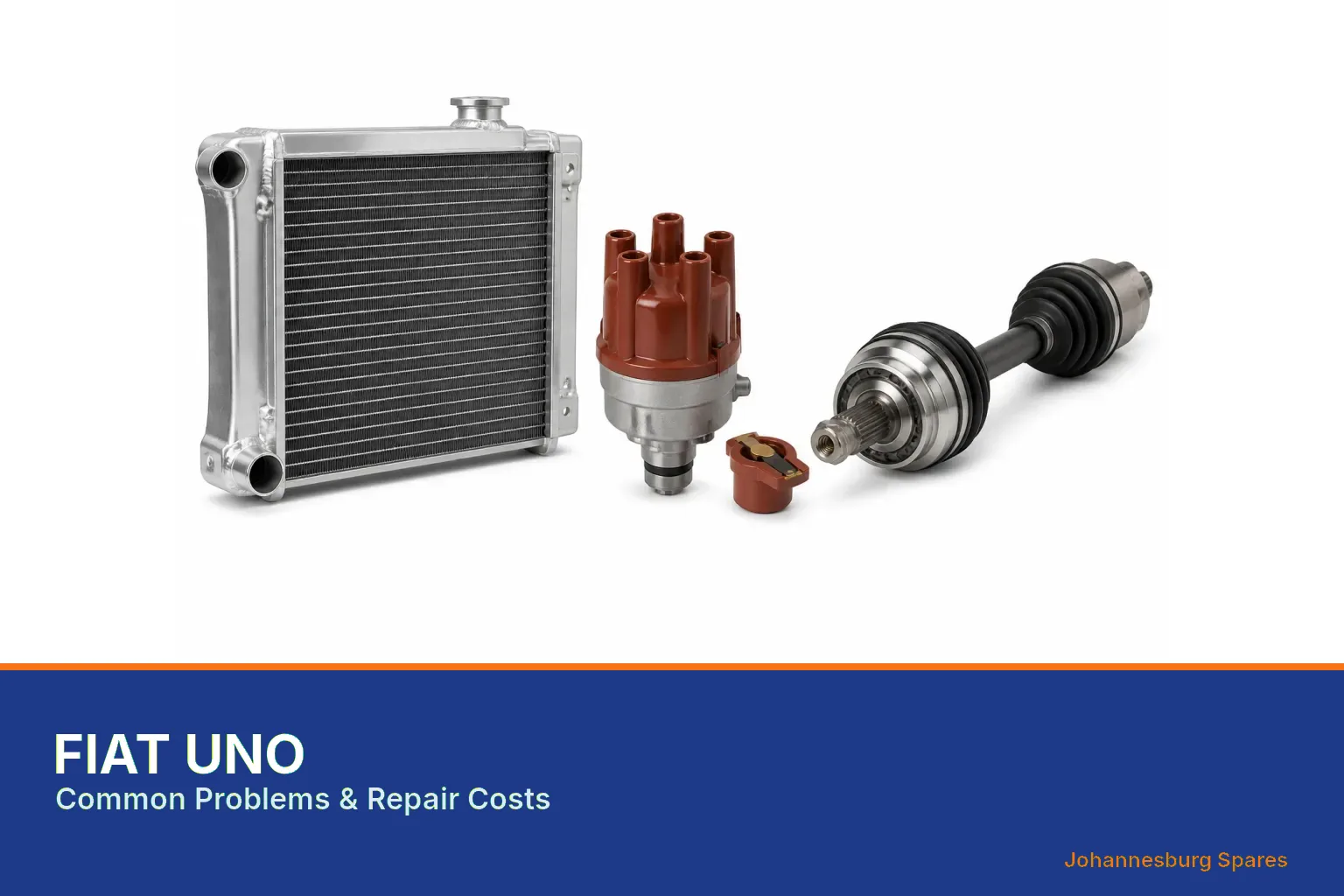
The Fiat Uno has been off Fiat South Africa's new-car price list for years, but the used fleet is still everywhere on Johannesburg roads: SA-built Pacers, Mias and Tempos, plus the later Brazilian-built Fire-engined imports, kept alive because it's cheap to buy and, by budget-hatchback standards, cheap to keep running. Our Fiat Uno parts page already covers the five faults independent workshops see most often: the 1.2/1.4 Fire's cambelt due-date, a weeping valve cover gasket, clutch wear, tired alternators and starters, and worn suspension bushes. That's not the whole story. Real South African owner reports point to a wider spread of gremlins that matter more to someone doing due diligence before buying: a starting-circuit fault serious enough to stall one owner dead in traffic, a factory-era fuel pump weak point, overheating from tired radiators and thermostats, notchy gearboxes, worn CV joints, and, the complaint that shows up most often from actual SA owners, rust attacking sills, doors and even chassis on pre-facelift cars. Here's what to actually check, what it costs in Rand, and what separates a normal old-Uno quirk from a real problem.
Key Takeaways
- A worn or dirty ignition switch can stall the car mid-drive with zero warning. South African owner reports and forum threads describe the engine simply dying in traffic, with no dash lights and no crank afterwards. It's our one safety-critical entry on this model, and a cheap fix (R450-R1,800) once diagnosed, but an intermittent stall shouldn't be lived with.
- Overheating is usually a R150-R350 thermostat, not a head gasket. A blocked or genuinely cracked radiator is a repeat complaint on SA-run cars. Run the engine to full temperature and watch the fan cut in before you buy.
- Fuel pump wear and hot-restart flooding are named factory-era weak points on South African-run Unos specifically, alongside the coil and distributor. Budget R450-R1,800 depending on whether it's the pump, relay or pressure regulator.
- Notchy 3rd-gear selection and clicking CV joints are both routine used-Uno wear items (R850-R6,500 and R450-R1,800 respectively). A popped driveshaft leaves the car undriveable though, so don't ignore a clicking noise on full lock.
- Rust is the complaint that shows up most in actual South African owner reviews: sills, door bottoms and wheel arches on pre-facelift cars, sometimes spreading to the chassis within a couple of years. It's the single biggest walk-away risk on a used Uno, bigger than any mechanical fault below.
- Full service history and a proper cold-start test drive matter more than mileage alone. Most of what's below is caught by starting the car from cold, driving it to temperature, and checking underneath, not by a workshop lift.
1. Ignition switch and starting-circuit failure: the one safety-critical item
South African owners describe a distinctive fault pattern on older Unos: the car dies suddenly while driving, with no warning, sometimes in heavy traffic1. Afterwards there are no dash lights, no cranking and no spark, because every circuit the ignition switch feeds simply goes dead. A used-parts reference site cataloguing common Uno faults separately flags stalling and hard-restart complaints as a recurring theme on this model2, and a South African owner survey of a 1990s Uno reports the coil, distributor modulator and fuel pump as "known factory issues" contributing to the same symptom picture3. The root cause is usually worn or arcing contacts inside the steering-column ignition switch, though a worn distributor or coil, a leaking vacuum-advance pipe, or a faulty coolant temperature sensor triggering an unwanted cut-out can produce near-identical symptoms.
A mechanic diagnoses this by checking for 12V at the coil and ECU with the key on, then replacing whichever component fails that test. Parts run R450-R1,800 depending on whether it's the switch, distributor cap and rotor, or a sensor. Because the fault can strike mid-drive in traffic rather than announce itself with a warning light, an intermittent no-start or random-stall complaint on a Uno is worth diagnosing promptly rather than living with.
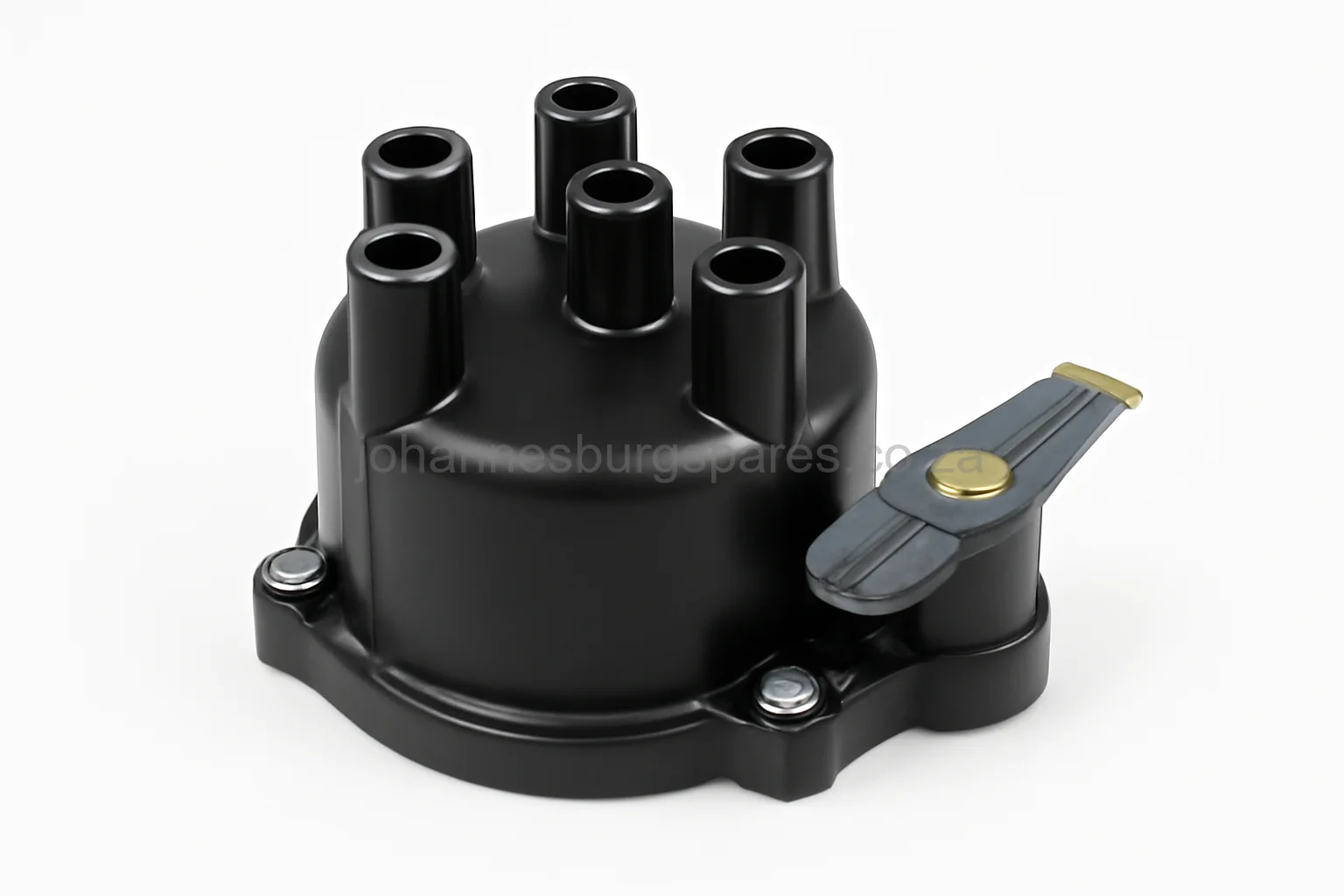
Fiat Uno Distributor Caps & Rotors
If a stall or hard-restart traces back to the distributor rather than the ignition switch itself, we stock replacement caps and rotors for the 1.2 and 1.4 Fire engine. Send your VIN and engine size and we'll confirm fitment.
2. Overheating: radiator, water pump, thermostat and fan faults
A recurring Uno complaint on owner forums is the temperature gauge climbing steadily after five to ten minutes of driving, often paired with a cooling fan that never switches on even stuck in traffic4. A used-parts common-faults reference separately catalogues overheating as one of the Uno's more frequent issues5, and a South African owner reviewing a 1990s Uno reports it bluntly: "Radiator is not very good; went through two; seems that they crack after a certain amount of use"6. A hot top hose paired with a stone-cold bottom hose usually means a blocked radiator or an airlock; a perished expansion tank cap losing system pressure produces the same climbing-gauge symptom without any leak visible on the ground.
The cheapest fix is a new thermostat at R150-R350, with a dead cooling fan thermoswitch or relay the next most likely culprit. A radiator that's internally furred or genuinely cracked needs replacing outright rather than topped up and hoped for. A head-gasket job, the expensive end of this problem, is only ever a consequence of the car actually having been driven hot, not a stand-alone fault. Budget R450-R2,500 across the range from thermostat to a full radiator swap. On a used-buy, run the engine to full operating temperature at the viewing and physically watch the fan cut in before you hand over money.
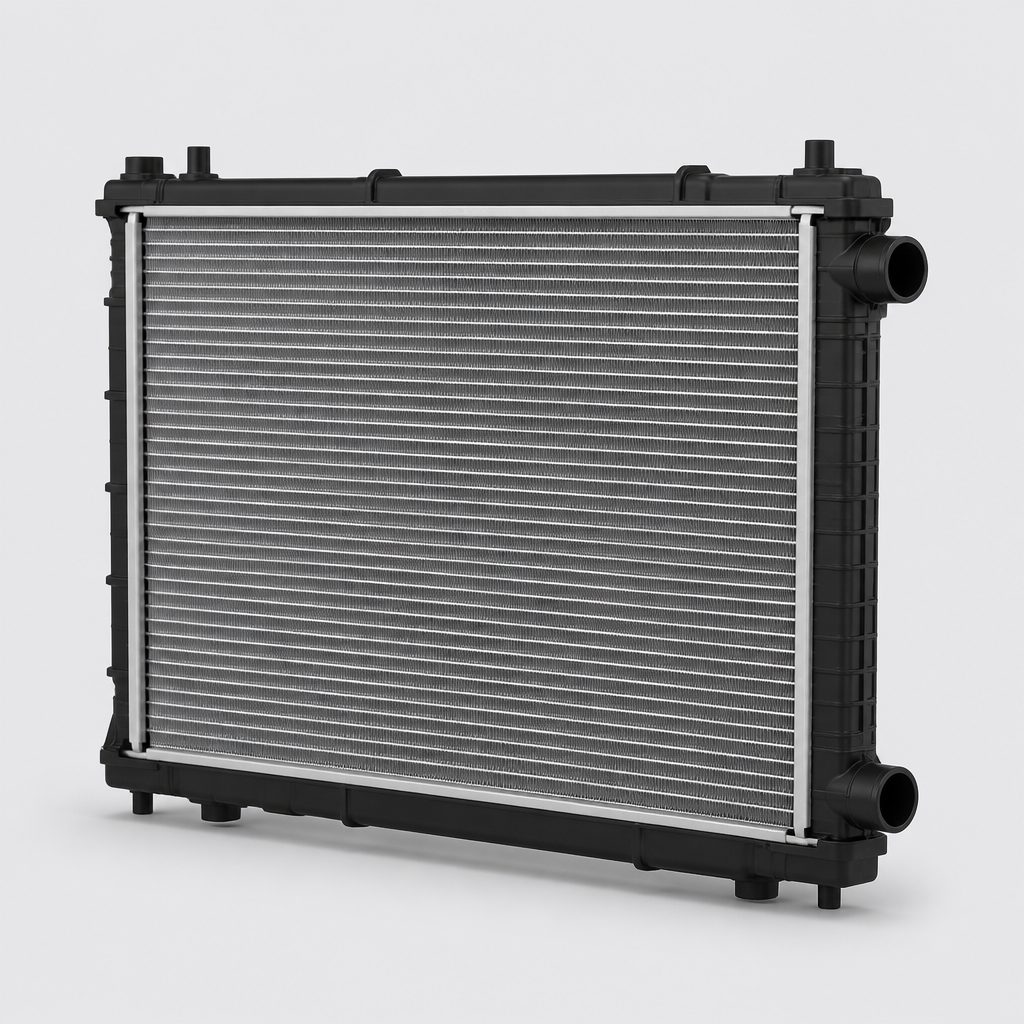
Fiat Uno Radiators & Cooling Parts
Aftermarket and used-fit radiators, thermostats and fan switches for the 1.2 and 1.4 Fire engine. If your Uno is running hot, send us your VIN and we'll quote the right part rather than guess.
3. Fuel pump wear and hot-restart flooding
Owner forum threads describe an Uno that starts, runs for a few seconds, then dies, with the fuel pump inaudible when the key first goes to ignition7. A separate thread documents the same fault appearing and disappearing intermittently, sometimes temporarily fixed by tapping the pump8. This isn't a generic old-car complaint: the same South African owner survey quoted above names the fuel pump directly, alongside the coil and distributor modulator, as a "known factory issue" on this model in local conditions9, and a commercial diagnostic reference catalogues fuel pump failure as a documented Uno fault pattern10. A separate symptom, the engine refusing to restart hot shortly after being switched off, usually points to the fuel pressure regulator flooding the intake rather than the pump itself.
A worn mechanical or electric pump is simply replaced, and aftermarket units are inexpensive for this model. An intermittent no-start is chased down with a multimeter at the pump relay near the fusebox before any parts get swapped, since a shorted feed wire or tired relay causes the identical symptom for a fraction of the cost. Budget R450-R1,800 across pump, relay and regulator faults.
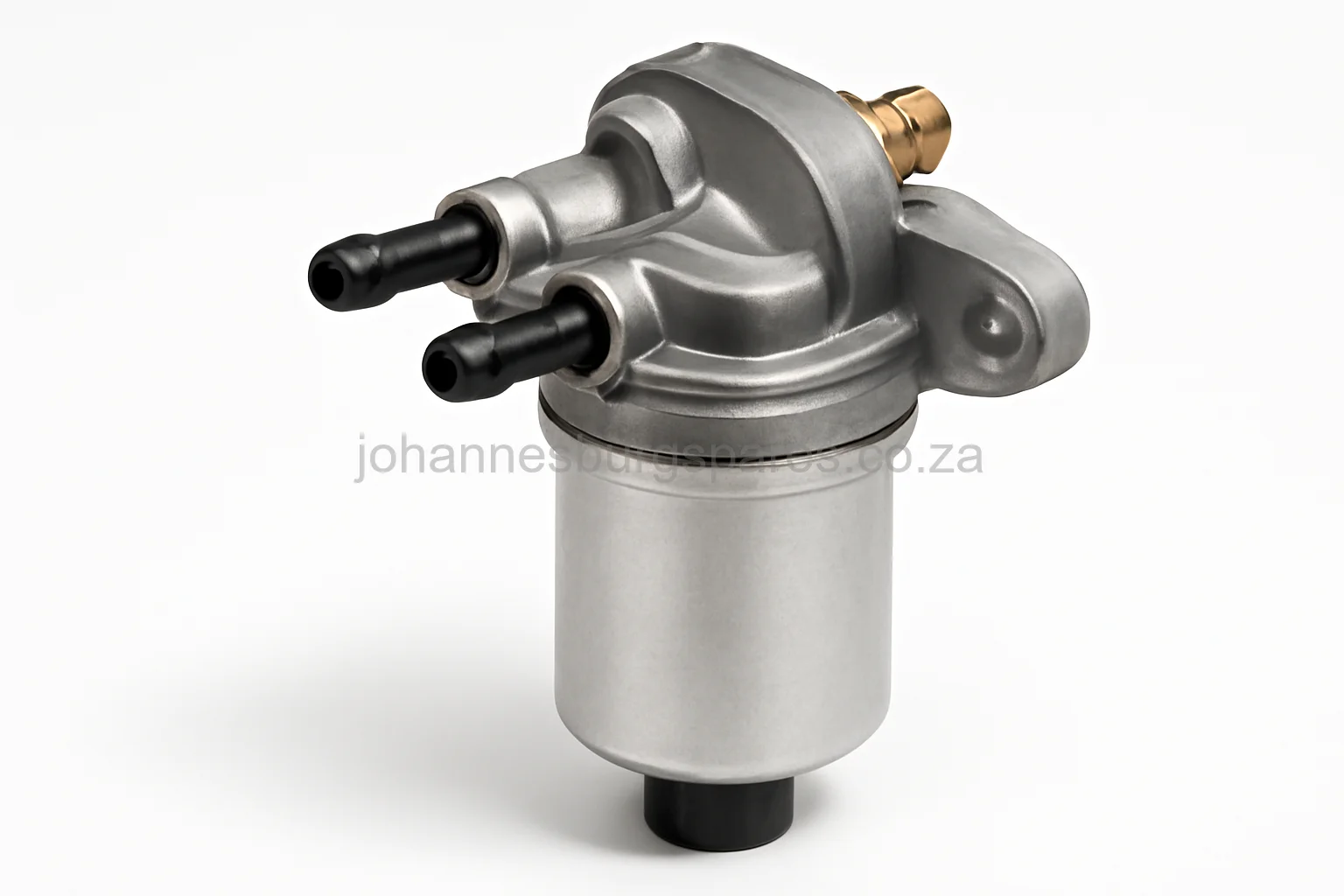
Fiat Uno Fuel Pumps
Replacement fuel pumps for the 1.2 and 1.4 Fire engine, mechanical and electric variants. A dead or intermittent pump is a same-day part for most Uno builds, so send your VIN and we'll confirm stock.
4. Notchy gear selection and gearbox synchro wear
A recurring forum complaint on early Unos is difficulty selecting 3rd gear, sometimes also 1st and reverse, paired with a scraping or grinding noise that eases when the clutch is pressed at idle but returns while driving11. A separate thread on general gear-selection trouble describes the same sluggish, imprecise change feel12, and a used-parts common-faults reference lists a scraping noise from the gearbox as a documented Uno complaint13. 3rd gear tends to wear first because drivers habitually change down early and fast from top gear, gradually wearing the synchro rings that let the gearbox match shaft speeds smoothly.
The cheap end of this fault is a seized or sluggish gearchange linkage, or simply low gearbox oil, both fixed for R300-R900. If the synchro rings themselves are actually worn, the gearbox has to come out for a rebuild or a recon/used-unit swap, which is where the top of the R850-R6,500 range comes from. Get a mechanic to isolate a linkage problem from genuine internal wear before paying for the expensive fix, since a worn clutch driven plate or damaged driveshaft can also feed a similar-feeling notchiness back through the gearbox.
5. CV joints and driveshaft wear
The classic tell is a clicking noise on full lock that gets worse under power while turning14. Left long enough, a worn joint can progress to a driveshaft physically popping out of its joint. A separate forum thread documents exactly this failure mode, leaving the car undriveable until it's pushed back in and repaired15. A South African owner's long-term review is blunt about the wear cycle on this model: "CV joints on both sides; I have replaced twice. CV boots do not have a long life, and crack easily"16, and a commercial diagnostic reference separately confirms driveline clicking and vibration as a catalogued Uno noise complaint17. Cracked, split CV boots are usually the trigger, since once the rubber splits, grit gets into the joint and wear accelerates fast.
A cracked boot caught early is a cheap re-pack-and-reboot job. Once the joint itself is actually clicking, the whole outer joint or a reconditioned driveshaft gets swapped in, which is routine, well-supplied used-parts work on this model. Budget R450-R1,800 for the repair. A popped driveshaft is the one version of this fault that leaves you stranded, so don't put off a clicking noise on full lock.
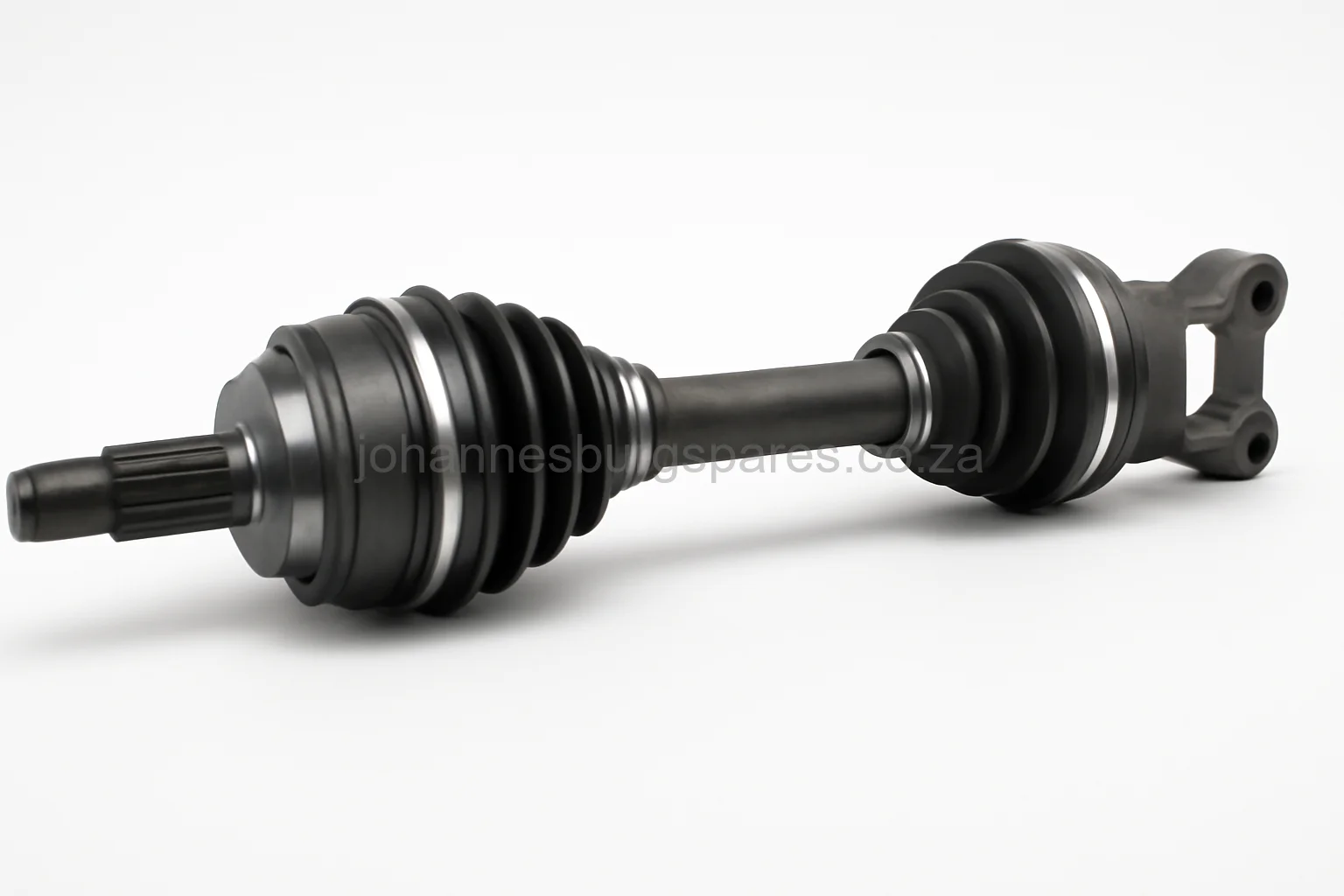
Fiat Uno CV Joints & Driveshafts
Outer CV joints, boots and reconditioned driveshaft assemblies for the Uno. If you're hearing a click on full lock, get it quoted before a boot split turns into a popped shaft.
6. Rear brake system wear beyond pads
A used-parts common-faults reference lists braking problems as a recurring Uno complaint beyond simple pad wear18, and a detailed South African owner review confirms it with specifics: "Front brake discs rust very quickly... Back brake cylinders wear out at about 160,000km"19. A separate forum thread on rear-drum trouble describes seized handbrake self-adjusters giving an inconsistent, weak-feeling handbrake20. A spongy pedal that's most noticeable just after starting the car usually traces to a leaking rear wheel cylinder bleeding fluid into the drum. Rusted or pitted front discs are a separate, cosmetic-looking issue that's actually a real cost item on a car that's stood for any length of time in Johannesburg's damp winter mornings.
A leaking wheel cylinder means replacing the cylinder and the fluid-contaminated shoes, then bleeding the system. Shallow disc rust can be skimmed; pitted discs need replacing outright. Seized adjusters get freed with proper brake cleaner, never WD40, which contaminates the friction surface, or replaced if they're beyond freeing up. Budget R450-R1,800 across these items. On a used-buy, park on a slope and confirm the handbrake holds evenly rather than pulling to one side.
7. Rust and bodywork corrosion: the biggest risk on this model
This is the complaint that comes through most strongly in real South African owner reports, and it's the one that should actually change a buying decision rather than just get budgeted for. One SA owner reviewing a 2000-model Uno didn't mince words: it was "a rust bucket within two years of manufacture" that "attacked practically every body panel and chassis"21. A dedicated forum thread on common Uno rust spots confirms sills, door bottoms and wheel-arch corrosion as recurring trouble areas across the model range22. For additional context on how design-era this weakness is (a UK classic-car review of the earlier Mk1 Uno Turbo, a different market and generation to the SA-sold car, cited here only to corroborate that rust was a factory-era design weakness rather than an SA-specific defect) notes "rust by the bucketload in pre-1990 facelift models"23.
The factory sills on this model are thin and trap moisture once the original wax coating breaks down, and poor rustproofing on pre-facelift cars generally compounds it. Add Johannesburg's summer humidity, years of unrepaired stone chips, and blocked door drain holes, and corrosion accelerates. Small surface rust and door-bottom bubbling can be cut out and patch-welded. Sill rot is a different order of job: it usually means replacement sill sections, skilled panel-beating work given how thin and distortion-prone the original metal is, which is where the top of the R800-R6,000 range comes from. On a used-buy, get underneath with a torch and a magnet, and check the sills, door bottoms, wheel arches and any sunroof surround for bubbling paint, filler, or a magnet that won't stick.
8. Buying a used Fiat Uno: the pre-purchase checklist
Most of what actually matters on a used Uno is caught with a cold start, a proper test drive and a torch underneath the car, not a workshop lift. Combining the evidence above with the wear items already documented on our Fiat Uno parts page, here's the order to check them in:
- Start the car from stone cold and let it idle. A random stall, dead dash or hard restart points at the ignition switch, distributor or coil rather than anything more serious.
- Drive it until the temperature gauge is at operating level and confirm the cooling fan actually switches on. Don't take a cold-engine test drive as proof the cooling system is fine.
- Switch the engine off for a few minutes, then try a hot restart. A no-start here points at the fuel pressure regulator or pump rather than the ignition system.
- Work the gearbox through every gear, including reverse, and listen for scraping specifically on 3rd. That's the synchro wearing.
- Turn the wheel to full lock and accelerate gently in a car park, listening for a CV joint click, and check the boots aren't split.
- Park on a slope and pull the handbrake to confirm it holds evenly, and check the front discs for pitting rather than just surface rust.
- Get underneath with a torch. This is the step that matters most. Check the sills, door bottoms and wheel arches for bubbling paint or filler, since rust is the biggest single risk on this model.
- As already covered on our Fiat Uno parts page, also check the cambelt service history (due every 90,000-100,000km or 5 years), look for a weeping valve cover gasket, feel for clutch shudder or slip, check the alternator warning light behaviour, and listen for front-end clunks from worn suspension bushes.
None of the mechanical items above are reasons to walk away from a Uno on their own. They're cheap, well-understood faults on a simple old car with a deep used-parts supply chain. Rust is the one genuine exception: a Uno that fails the torch-and-magnet check underneath is a different, much more expensive proposition than one that just needs a thermostat or a fuel pump.
Frequently Asked Questions
Why does my Fiat Uno randomly stall while driving? South African owner reports and forum threads describe a distinct pattern of the engine dying suddenly with no warning, no dash lights and no crank afterwards, usually traced to worn or arcing contacts in the ignition switch, though a failing distributor, coil or coolant temperature sensor can produce the same symptom. A mechanic checks for 12V at the coil and ECU with the key on to isolate which component has failed. Diagnose this promptly rather than living with it, since it can happen mid-drive in traffic.
Is overheating on a Fiat Uno usually serious? Not usually. A stuck thermostat (R150-R350) or a dead cooling fan relay are the most common causes, and both are cheap fixes. A genuinely cracked or internally blocked radiator is a repeat complaint on South African-run cars and needs replacing outright. A head gasket failure is a consequence of the car having actually been driven hot, not a stand-alone fault, so catching overheating early avoids the expensive outcome.
Why won't my Uno restart after a short hot stop? This usually points at the fuel pressure regulator flooding the intake rather than the fuel pump itself, though a worn or intermittent pump can also cause a no-start. South African owner reports specifically flag the fuel pump, alongside the coil and distributor, as a known factory-era weak point on this model.
Is rust a bigger risk than the mechanical faults on a used Uno? Yes. South African owner reviews describe pre-facelift Unos rusting through sills, door bottoms and even the chassis within a couple of years in some cases, driven by thin factory sill construction and moisture trapped once the original wax coating breaks down. Get underneath with a torch and a magnet before buying: it's the one check on this model that should change a buying decision, not just a budget line.
What should I check before buying a used Fiat Uno? Start the car cold and watch for a stall or hard start, drive it to full temperature and confirm the fan switches on, try a hot restart, work every gear including reverse listening for 3rd-gear scraping, turn the wheel to full lock listening for a CV click, check the handbrake holds evenly on a slope, and get underneath with a torch to check the sills and door bottoms for rust. Finish with the cambelt, valve cover gasket, clutch and suspension bush checks already covered on our Fiat Uno parts page.
For the parts these checks turn up (ignition components, cooling parts, fuel pumps, CV joints and more) visit our Fiat Uno parts and common-faults page, browse engine parts and electrical parts directly, or send us your VIN and we'll check stock and quote you back, usually the same day.
Sources
- The Fiat Forum: Ignition switch FAILED! (Fiat Uno)
- BreakerYard.com: Fiat Uno Common Problems & Solutions
- Carsurvey.org: 1993 Fiat Uno Reviews (South Africa)
- The Fiat Forum: Over Heating (Fiat Uno)
- BreakerYard.com: Fiat Uno Common Problems & Solutions (overheating section)
- Carsurvey.org: 1993 Fiat Uno Reviews (South Africa), radiator reliability comments
- The Fiat Forum: Uno Fuel Pump Woes
- The Fiat Forum: Intermittent Fuel Pump Problem (Fiat Uno)
- Carsurvey.org: 1993 Fiat Uno Reviews (South Africa), factory-issue comments
- StartMyCar: Fiat Uno Fuel Pump, Problems and Issues
- The Fiat Forum: Problems With Gearbox, Fiat Uno Mk 1
- The Fiat Forum: Uno Gear Selection
- BreakerYard.com: Fiat Uno Common Problems & Solutions (gearbox scraping noise section)
- The Fiat Forum: Loud Clicking Noise! (Fiat Uno)
- The Fiat Forum: Drive Shaft Popping Out
- Carsurvey.org: 1993 Fiat Uno Reviews (South Africa), CV joint comments
- StartMyCar: Fiat Uno Noise, Causes and Solutions
- BreakerYard.com: Fiat Uno Common Problems & Solutions (braking section)
- Carsurvey.org: 1993 Fiat Uno Reviews (South Africa), brake disc and cylinder comments
- The Fiat Forum: Back Brakes (Fiat Uno)
- Carsurvey.org: 2000 Fiat Uno Reviews (South Africa), corrosion comments
- The Fiat Forum: Uno Common Rust Spots??
- Honest John Classics: Fiat Uno (1983-1993) Review
Please note: This guide is general information for South African motorists and not a substitute for advice from a qualified mechanic. Prices, availability and fitment vary by vehicle — always confirm the correct part for your exact make, model and year before buying.