Ford Ranger Common Problems in Johannesburg: Transmission Recall, Oil Pump Risk & Buying-Used Guide
A genuine SA transmission recall, injector and turbo symptoms to catch early, an oil-pump risk our parts page misses, and what to check before buying a used Ford Ranger in Johannesburg.
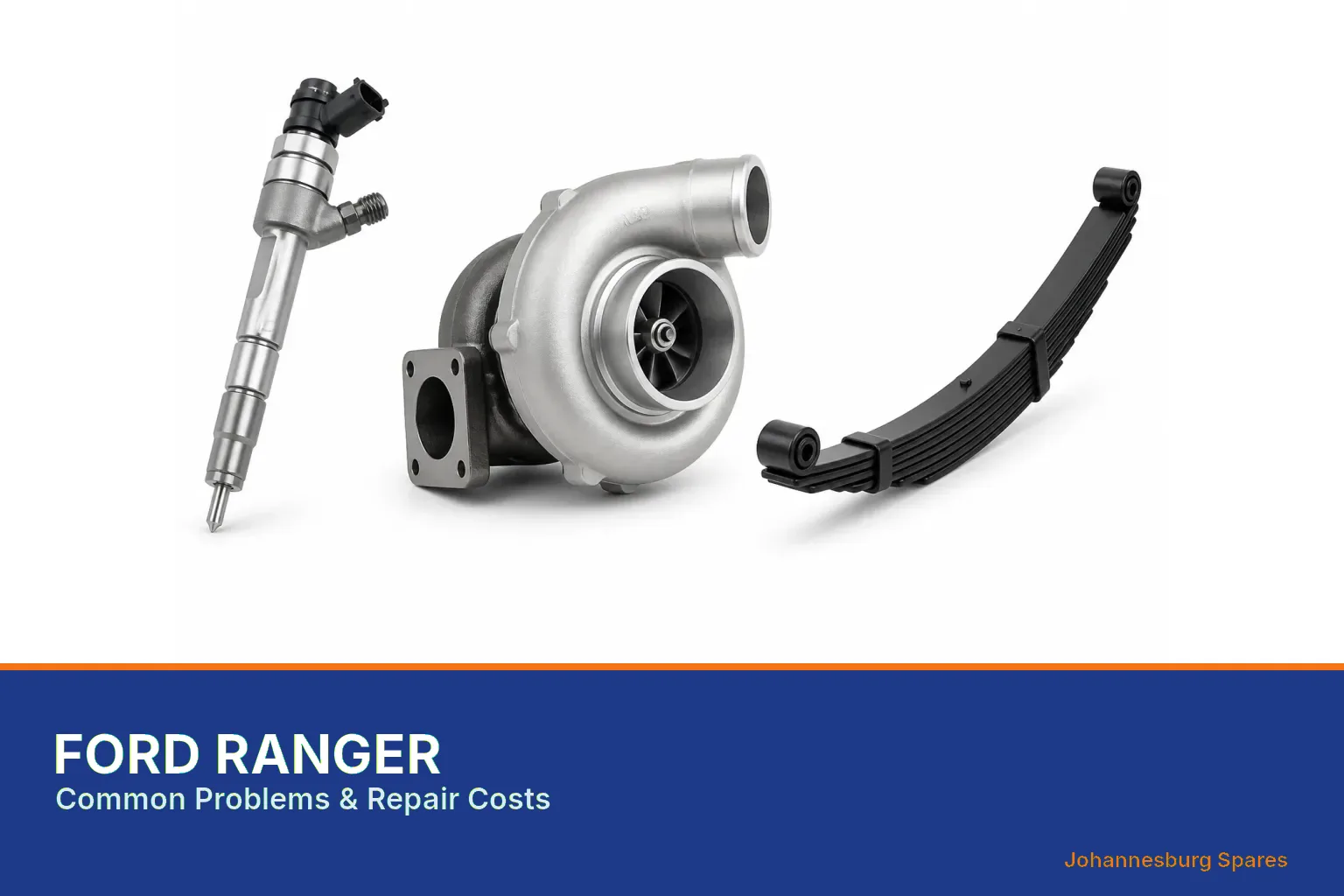
The Ford Ranger T6 (2012-2022) is one of the most common bakkies on Johannesburg roads, and the six faults our Ranger parts page already documents (3.2 TDCi injectors, the 2.2 TDCi turbo actuator, EGR cooler cracking, clutch hydraulics and rear leaf springs) are real, but they aren't the whole story. There's also a genuine, current South African transmission recall most owners have never heard of, an oil-pump failure pattern that doesn't appear on our parts page at all, and a specific pre-purchase checklist that matters more for a T6 Ranger than for most used bakkies. Here's what to actually listen and look for, what it costs, and what to check before you buy.
Key Takeaways
- There's a real, current recall. Ford Motor Company of Southern Africa recalled Rangers and Everests with the 10-speed 10R80 automatic gearbox, sold in SA (plus Botswana, Lesotho and eSwatini) between July 2018 and February 2020, over a fluid-pump-gear fault that can leave the vehicle unable to move. The fix is a free software update at any Ford dealer.
- Diesel injector failure is progressive, not sudden. A rough idle and faint diesel smell come first, then black smoke under acceleration, a misfire under load, and a knock distinct from a cold-start rattle. By the time the check-engine light comes on, it's usually been building for weeks.
- Not every "turbo" limp mode is a turbo. A split intercooler-to-inlet-manifold rubber boot produces the same low-boost warning and power loss as a failed turbo actuator, at a fraction of the cost, so check the boots before budgeting for a turbo job.
- Oil pump failure doesn't show up on our Ranger parts page, but two independent sources flag it: a pre-2015 2.2 TDCi oil-pump drive-chain rattle, and 2.0-litre wet-belt debris blocking the oil pickup. Both trace back to service history; a Ranger with gaps in its oil-change record is the one to walk away from.
- Full service history is the single strongest predictor of which used T6 Ranger you're looking at, more than mileage alone. It's the common thread behind both the injector and oil-pump failure patterns.
- The new-shape Ranger (T6.2, 2023+) carries its own risk: a wet timing belt with real-world failures reported well inside the factory 240,000km interval, plus two further official SA recalls (infotainment/reverse-camera freeze, and a 2026 side-curtain airbag recall).
1. The 10R80 transmission recall almost nobody checks for
If you own, or are looking at buying, a late-model T6 Ranger or Everest with the 10-speed automatic gearbox, this is worth ten minutes before anything else on this page. Ford Motor Company of Southern Africa issued a recall, notified through South Africa's National Consumer Commission, covering vehicles fitted with the 10R80 10-speed automatic and sold in South Africa (plus Botswana, Lesotho and eSwatini) between July 2018 and February 20201. The defect is a fluid pump gear inside the transmission that can fail, reducing hydraulic pressure and, in the worst case, leaving the vehicle unable to move while driving. A UK vehicle-recall registry independently lists the identical "Transmission Fluid Pump Gear Failure" defect against Ford Ranger production dated 29 November 2017 to 15 October 2019, a second, distinct source pointing at the same fault window2.
The remedy is a free software update to the powertrain and transmission control modules at any Ford dealer, with no parts and no cost to the owner. There's no dramatic symptom to watch for beforehand, which is exactly why it's easy to miss. The only reliable way to know if a specific vehicle is affected is to check its VIN against Ford SA's recall database at ford.co.za/owner/recalls/ before you buy, or before you assume your own Ranger is in the clear.
2. 3.2 TDCi injector failure: the symptom order that saves you a bigger bill
Our Ranger parts page already carries the full cost breakdown for a 3.2 TDCi (P5AT) injector set, so we won't repeat it here. What's worth adding is how the failure actually announces itself, because owners consistently report a progression rather than a sudden stop. It typically starts as a slightly rough idle with a faint diesel smell, then moves to black or sooty smoke under acceleration as the mixture runs rich, rising fuel consumption, and a misfire that worsens under load or towing3. A knocking noise distinct from a cold-start rattle that clears in a couple of seconds is flagged repeatedly as a key tell, alongside intermittent hesitation on acceleration4. By the time a misfire code trips the check-engine light, the injector responsible has usually been degrading for weeks: fuel contamination, high-pressure stress and carbon buildup from the EGR system are the three most commonly cited causes5.
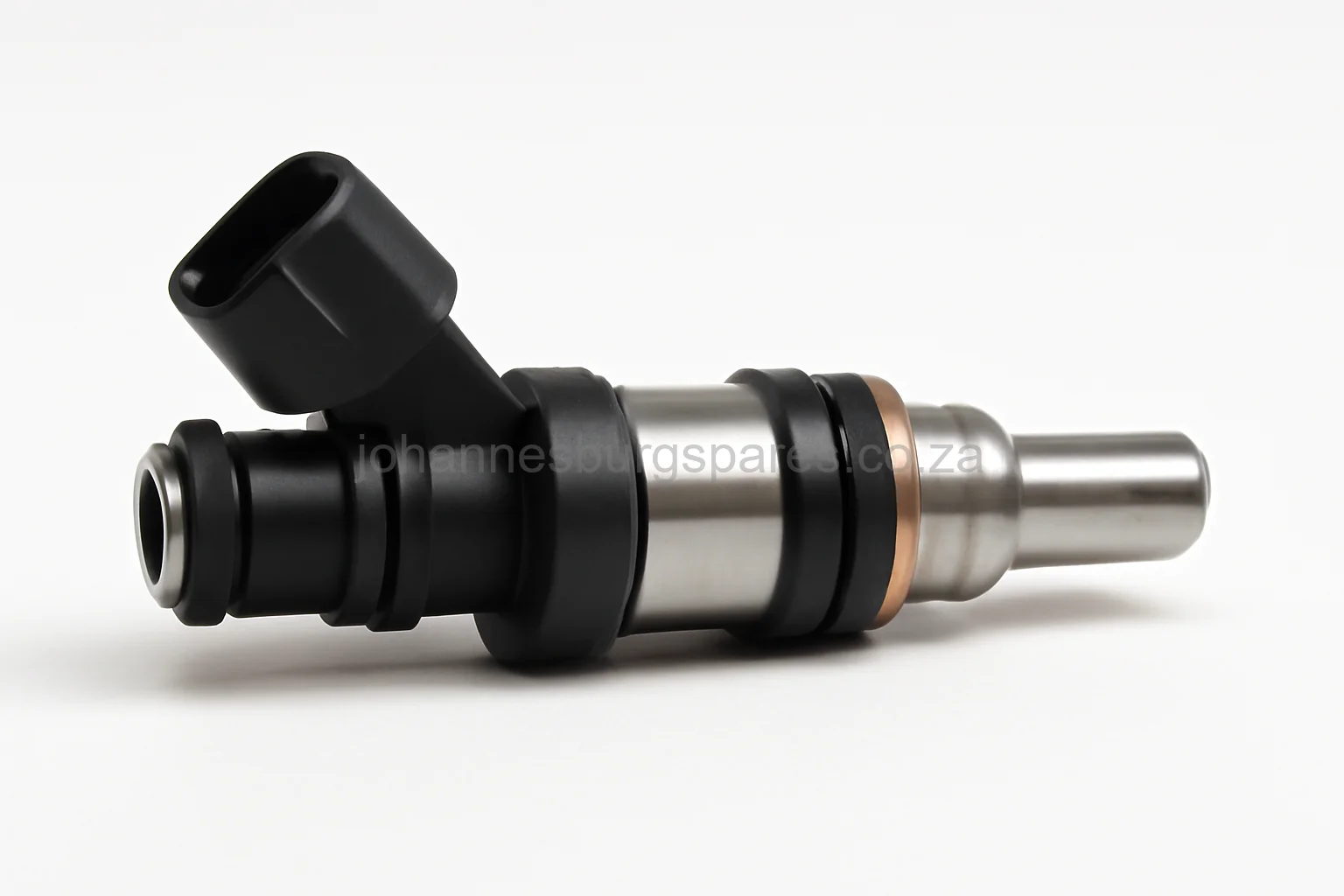
Ford Ranger 3.2 TDCi Injector Set
Reconditioned and new OEM injector options for the 3.2 TDCi P5AT, sourced to match your build date and specification. Send us your VIN and we'll check stock and price it, usually the same day.
3. Turbo limp mode: actuator failure, or a cheaper split intercooler boot?
The classic 2.2 TDCi (P4AT) pattern reported by SA owners: sustained highway speed, sometimes as little as 100km at 120km/h on a hot day, and the vehicle drops into limp mode with noticeable power loss, the transmission behaving oddly, and a warning icon on the dash6. It often resets after a key cycle, which is a strong sign the ECU is protecting the engine from a detected boost fault rather than something catastrophic. Our Ranger parts page has the actuator and reconditioned-turbo cost ranges, but before you budget for either, check a cheaper and equally common cause: the rubber intercooler-to-inlet-manifold boot. These pipes expand under boost and contract off-boost, and split lengthwise on the underside where it isn't visible, producing the identical low-boost dash icon and limp-mode symptom as an actual actuator failure7. It's a five-minute visual check that can turn a R10,000-plus turbo job into a boot replacement instead.
4. EGR cooler cracking: the "coolant ghost" on both engines
This one is a genuine diagnostic trap. Coolant disappears from the reservoir with no visible external leak anywhere in the engine bay; owners describe topping up weekly and finding nothing wet underneath8. The tell that separates it from a head gasket is smell and timing: a sweet, sharp anti-freeze note in the exhaust mist on a cold morning start, plus white or grey smoke under acceleration. Because the EGR cooler sits at the rear of the block on both the 2.2 and 3.2 TDCi, most independent Johannesburg workshops need engine or gearbox access to actually replace it, so this isn't a roadside fix. The coolant-loss-with-no-leak plus sweet-smoke combination is diagnostic enough to budget for it before assuming a head gasket. Full EGR cooler and valve cost ranges are on our Ranger parts page.
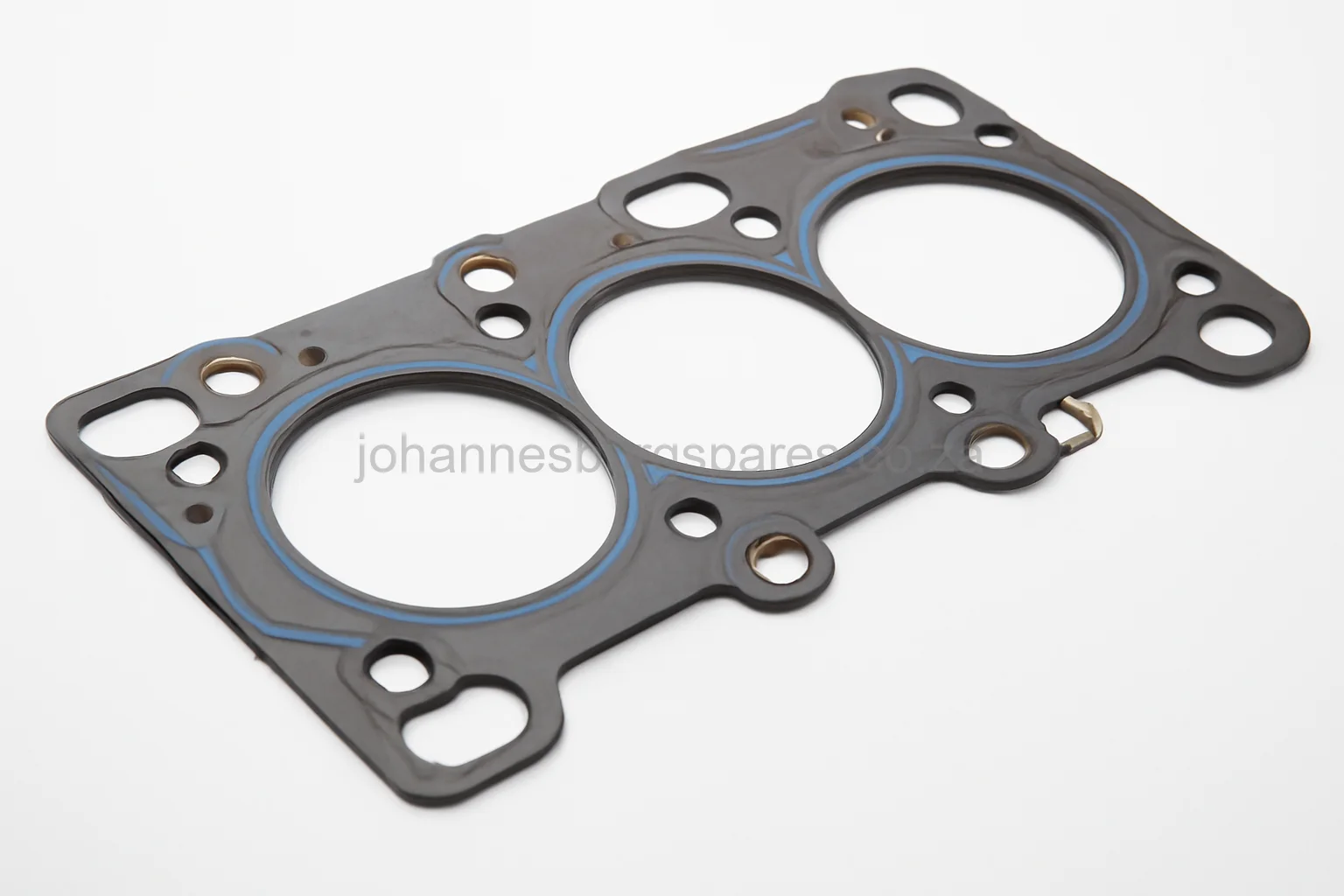
Ford Ranger EGR Cooler & Gasket Kit
We source EGR coolers and the matching gasket sets for both the 2.2 TDCi and 3.2 TDCi, plus the seals and gaskets an oil-pump job needs. Send us your details and we'll quote you against your exact engine code.
5. Oil pump failure and oil starvation: the fault that isn't on our parts page
This is genuinely new information, not a repeat of what's already documented for the Ranger: two independent sources flag an oil pump failure risk that works through two different mechanisms depending on engine. On pre-2015 2.2 TDCi units, a failing oil-pump drive chain produces a distinct rattle on startup, audible before oil pressure builds and mechanically different from a timing-chain rattle, which is exactly why the two get confused9. On 2.0-litre single- and Bi-Turbo engines, a UK reman-engine specialist independently confirms that wet timing belt debris can shed into the sump oil and block the oil pump pickup screen, starving the engine of pressure10 (more on this generation-crossing risk in the T6.2 section below).
There's no reliable SA parts-and-labour figure for a standalone oil pump job in the sources we could verify, so get a workshop quote rather than trusting a guessed number. A full oil pump replacement on a diesel bakkie is typically an engine-out or sump-drop job either way. What both mechanisms share is the practical lesson: dirty or degraded oil is the most commonly cited trigger for both, so a Ranger diesel with an incomplete service history is the one to be cautious about, regardless of how clean the bodywork looks.
6. Clutch hydraulics and dual-mass flywheel wear on manuals
An Australian clutch-hydraulics specialist identifies the factory hydraulic clutch damper on T6 Rangers as a specific, named failure point separate from the master or slave cylinder itself: check the damper and pipework near the firewall for cracking or weeping11. The progression owners describe is that the pedal first needs pushing further to find the bite point, then feels spongy or slowly loses pressure overnight, and if ignored, eventually loses the ability to select gears. Separately, "clutch clatter" (a rattle at idle or low RPM on 3.2 TDCi manuals used for towing) points to a dual-mass flywheel rather than the cheaper hydraulics fix12. Full master cylinder, slave cylinder, clutch kit and flywheel cost ranges are on our Ranger parts page.
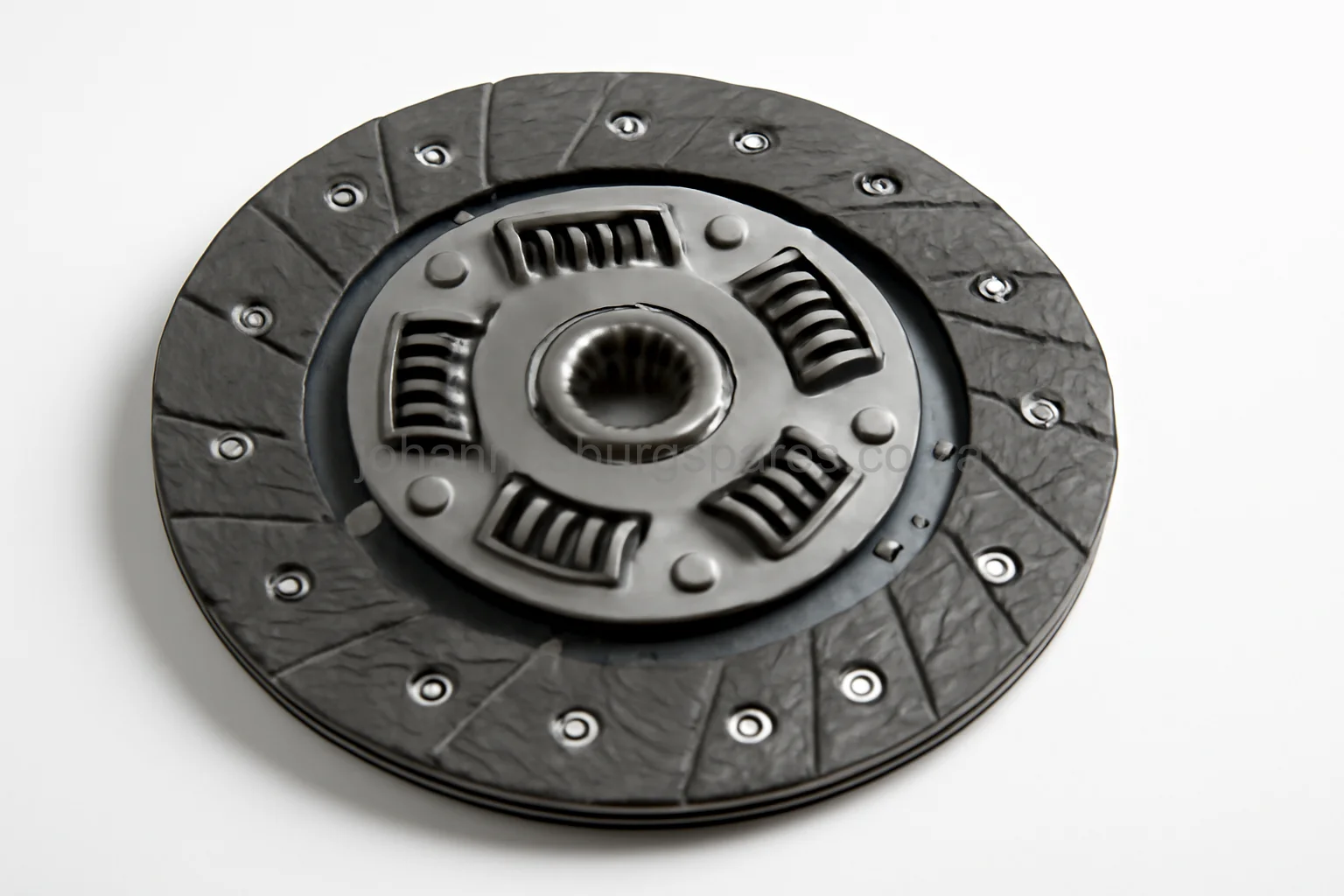
Ford Ranger Clutch Kit & Hydraulics
Clutch kits, master and slave cylinders, and dual-mass flywheels for 2.2 TDCi and 3.2 TDCi manuals. Tell us whether it's a hydraulics fault or flywheel clatter and we'll quote the right job, not just the expensive one.
7. Rear leaf spring fatigue and front lower arm bushes
The buying-used consensus across sources is consistent: listen for knocking or squeaking over speed bumps and potholes (Joburg roads generate plenty of test opportunities), check for uneven or inner-edge tyre wear, a tell for worn ball joints or lower-arm bushes, and look at rear ride height with no load aboard13. A bakkie sitting visibly lower at the tail points to leaf springs that have lost their arch. One Australian PX/T6 specialist separately flags leaf spring cracking, not just sagging, on high-kilometre units, a more serious finding since a cracked leaf can fail suddenly under load rather than just riding softer14. Leaf-spring pack and control-arm cost ranges are on our Ranger parts page.
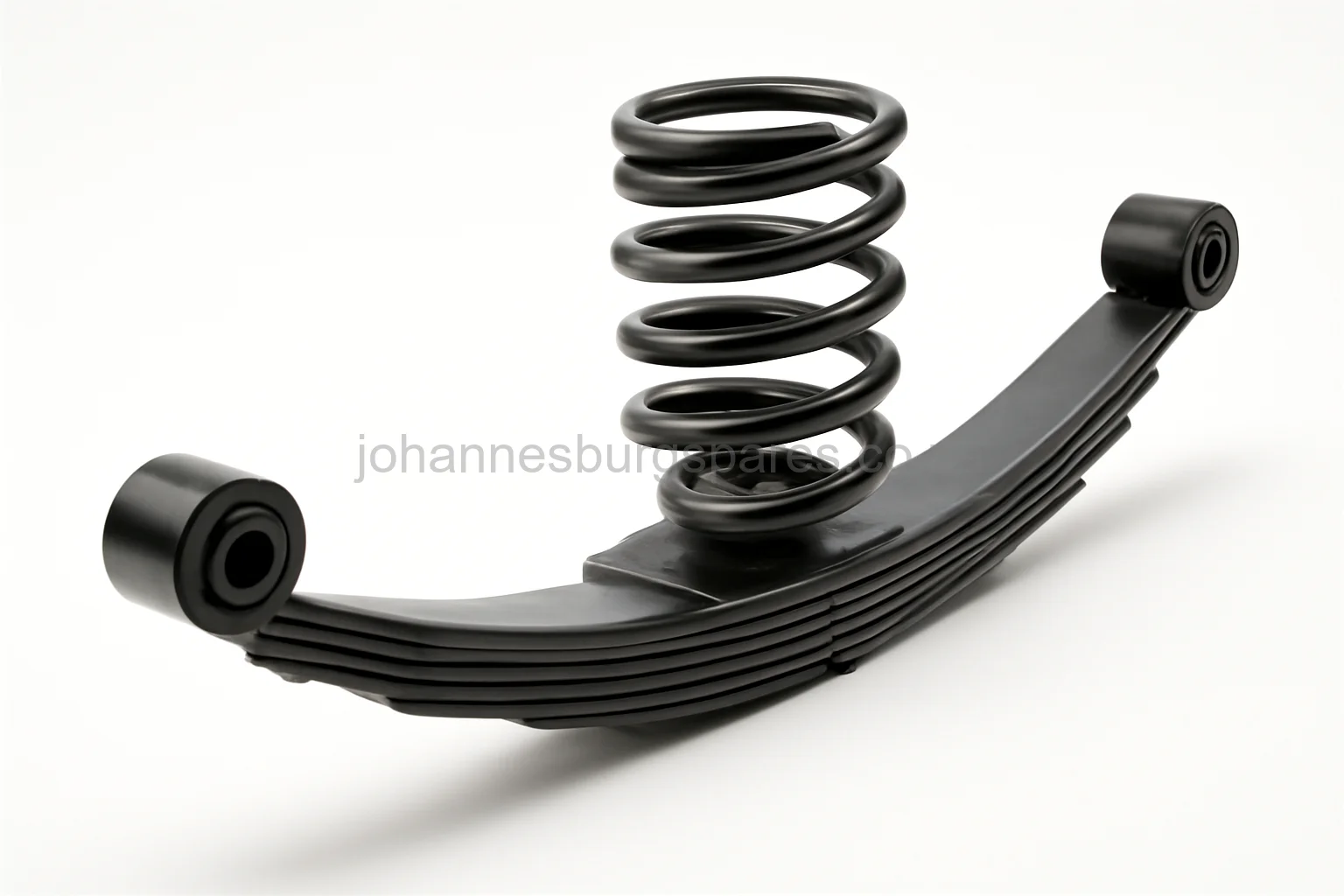
Ford Ranger Rear Leaf Spring Pack
Leaf spring packs and front lower control arms for the T6 Ranger, whether you're replacing a fatigued spring or a cracked one found on inspection. Send your registration or VIN and we'll confirm fitment and price.
8. Buying a used T6 Ranger: the pre-purchase checklist that matters here specifically
Beyond the generic used-car checks, three independent SA-focused buying guides converge on the same short list of items that matter most for a T6 Ranger1516:
- Full, documented service history, the single strongest predictor of reliability on this vehicle. Dirty or degraded oil is the common thread behind both the injector and oil-pump failure patterns above.
- A cold-start listen: start the engine from stone cold and listen for rattles before oil pressure builds, to catch timing-chain, oil-pump-chain or injector-related knock early.
- Check the oil colour for milkiness, a sign of coolant intrusion via the EGR cooler or head gasket, rather than relying on dash warning lights alone.
- Test 4x4 engagement (4-High, 4-Low) and diff-lock operation, listening for clicking or grinding.
- Inspect chassis rails and under the floor mats for rust, especially on a vehicle that's moved inland from a coastal registration.
- Check the driver's seat wear against the odometer reading: unusually worn upholstery relative to low mileage is a fleet-use tell that suggests harder daily duty than the number implies.
- Run the VIN through Ford SA's recall database at ford.co.za/owner/recalls/ before you buy, given the confirmed 10R80 transmission recall above.
For reference, independent Johannesburg workshops typically charge in the region of R2,000-R4,000 for a basic diesel service and R2,500-R5,000 for brake pads and discs15, useful context for negotiating against any deferred maintenance you find.
9. What's different on the new-shape Ranger (T6.2, 2023+)
If you're cross-shopping a current-generation Ranger rather than a T6, two things are worth knowing that don't apply to the older truck at all. First, the 2.0-litre single- and Bi-Turbo diesel uses a toothed rubber timing belt that runs submerged in engine oil, a "wet belt". Ford's official replacement interval is 240,000km or 10 years, but five independent sources across Australia, the UK and South Africa report real-world failures between 100,000-150,000km, well before that figure, because engine oil chemically degrades the belt's rubber compound over time17. Two failure paths are documented: direct belt slippage causing engine damage, and shed rubber debris blocking the oil pump pickup, the same oil-starvation mechanism flagged in the T6 oil-pump section above and independently confirmed on SA-market 2.0-litre units10. Recommended practice across sources is oil changes every 10,000-15,000km with Ford-approved fully synthetic oil, and proactive belt replacement around 150,000-180,000km rather than waiting for the factory figure. Ford has effectively acknowledged the concern: the refreshed four-cylinder diesel due from H1 2026 drops the wet belt for a conventional timing chain18.
Second, Ford SA has issued two further official recalls on the current-generation Ranger, both notified through the National Consumer Commission. An infotainment screen fault affecting 17,741 units (2021-2025 production) can freeze, go black and reboot, a real risk if it happens while the reversing camera is in use19. A separate 2026 recall of 2,275 double cabs covers a side-curtain airbag whose B-pillar trim may detach and become a projectile on deployment20. Both are free dealer remedies. If you're shopping T6.2 stock, the same VIN check against ford.co.za/owner/recalls/ applies.
Frequently Asked Questions
Is there a recall on the Ford Ranger? Yes. Ford Motor Company of Southern Africa recalled T6 Rangers and Everests fitted with the 10-speed 10R80 automatic transmission and sold in South Africa between July 2018 and February 2020, over a fluid-pump-gear fault that can leave the vehicle unable to move. The remedy is a free software update at any Ford dealer. The current-generation Ranger (T6.2) has also had separate infotainment and airbag recalls, so check your VIN at ford.co.za/owner/recalls/ regardless of which generation you own.
How do I know if my Ford Ranger's diesel injectors are failing? Watch for a progression rather than a sudden fault: a slightly rough idle and faint diesel smell first, then black smoke under acceleration, rising fuel consumption, a misfire under load, and a knock distinct from a normal cold-start rattle. Don't wait for the check-engine light, because by the time a misfire code trips it, the injector has usually been degrading for weeks.
My Ranger went into limp mode on the highway. Is that always a turbo replacement? Not necessarily. A split intercooler-to-inlet-manifold rubber boot produces the identical low-boost dash warning and power loss as a failed turbo actuator, and it's a much cheaper fix. Have a workshop check the boots for a lengthwise split on the underside before you budget for actuator or turbo replacement.
Why is my Ranger losing coolant with no visible leak? On both the 2.2 and 3.2 TDCi, a cracked EGR cooler is a common cause of coolant loss with nothing visibly wet underneath the engine. A sweet, sharp anti-freeze smell in the exhaust on a cold start, plus white or grey smoke under acceleration, points to the EGR cooler rather than a head gasket, though only a proper diagnosis can confirm which.
Is the new Ford Ranger's timing belt actually a problem? It's a documented risk worth managing rather than a certain failure. The 2.0-litre single- and Bi-Turbo engine's wet timing belt is rated to 240,000km by Ford, but real-world failures have been reported from 100,000km in some cases. Sticking to shorter, Ford-approved-oil service intervals and considering belt replacement around 150,000-180,000km rather than waiting for the factory figure is the practical mitigation most sources recommend.
What should I check before buying a used T6 Ranger? Full service history first: it's the strongest predictor of reliability on this vehicle. Then a cold start listen for rattles, an oil-colour check for milkiness, testing 4x4 and diff-lock engagement, checking chassis rails for rust, and comparing seat wear against the odometer. Finally, run the VIN against Ford SA's recall database before you commit, given the confirmed transmission recall on 2018-2020-built units.
For the parts these jobs need (injectors, EGR coolers, clutch kits, leaf springs and more) visit our Ford Ranger parts and common-faults page, browse engine parts and suspension parts directly, or send us your VIN and we'll check stock and quote you back, usually the same day.
Sources
- TimesLive — Ford recalls previous-generation Ranger and Everest models in South Africa
- Car Recalls UK — Ford Ranger VIN recall registry (Transmission Fluid Pump Gear Failure)
- TL Ranger Diesel — Ford Ranger PX1/PX2 diesel injector issue (P5AT engine)
- Ford Engines UK — Ford Ranger engine failure symptoms
- A1 Diesel — Ford Ranger diesel injector failure and engine defects
- SA4x4 Forum — Ford Ranger limp mode thread
- Precision Remaps UK — Ford Ranger 2.2 TDCi limp mode, DPF, EGR & AdBlue guide
- AutoTrader South Africa — Ford Ranger buyer's guide (2011-2022)
- AutoTrader South Africa — Ford Ranger buyer's guide (oil pump drive chain)
- Ford Engines UK — oil pump deterioration and wet-belt oil-starvation risk
- Australian Clutch Services — Ford Ranger PX clutch damper failure diagnosis
- AutoTrader South Africa — Ford Ranger buyer's guide (dual-mass flywheel clatter)
- LDR Pretoria — Ford Ranger T6 engine choices, common failures and what to check before you buy
- Ranger Wreck (Australia) — Ford Ranger common failures
- Used Car Review SA — Buying a used Ford Ranger T6 platform: a comprehensive guide
- LDR Pretoria — pre-purchase checklist
- Car Servicing and You (Australia) — Understanding the wet timing belt on Ford Ranger/Everest YNWS engines
- Chasing Cars (Australia) — Ford Ranger and Everest drop the wet belt and Bi-Turbo for a timing chain
- Cars.co.za — Ford SA issues fresh recall, nearly 22,000 vehicles affected
- Business Day — Ford recalls 2,275 Rangers over airbag safety risk
Please note: This guide is general information for South African motorists and not a substitute for advice from a qualified mechanic. Prices, availability and fitment vary by vehicle — always confirm the correct part for your exact make, model and year before buying.