Ford Ranger Spares Johannesburg
Quality Ford Ranger car parts and auto spares in Johannesburg. Fast delivery, expert advice, and competitive prices for your specific vehicle.
Important Notice
Aftermarket (Non-Authorised) Dealer - We specialize in high-quality aftermarket Ford Ranger parts and are not affiliated with original manufacturers. All products are compatible replacements.
Popular Ford Ranger Parts
Discover our most popular Ford Ranger parts and accessories. Each category features premium quality components designed specifically for your vehicle.
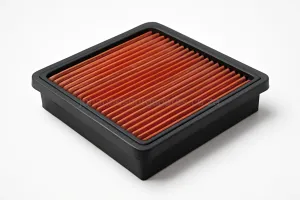
Ford Ranger Air Filters Performance Filters
Keep your engine breathing clean with premium air filters
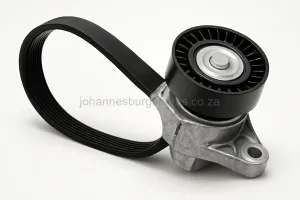
Ford Ranger Belts Hoses Pulleys
Essential belts, hoses and pulleys for engine operation
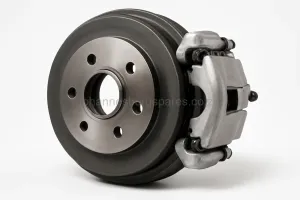
Ford Ranger Brake Calipers Brake Drums
Professional brake calipers and drums for safety
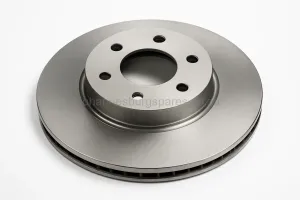
Ford Ranger Brake Discs Rotors
Premium brake discs for reliable braking performance
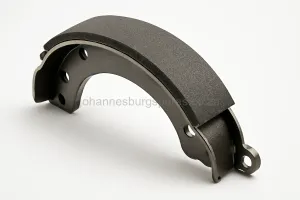
Ford Ranger Brake Pads Brake Shoes
Safe stopping power with quality brake components
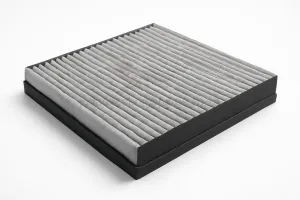
Ford Ranger Cabin Air Filters
Fresh air inside your vehicle with quality cabin filters
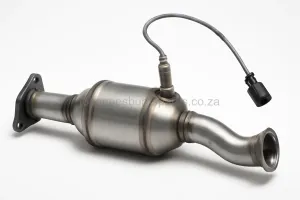
Ford Ranger Catalytic Converters Oxygen Sensors
Eco-friendly catalytic converters and oxygen sensors
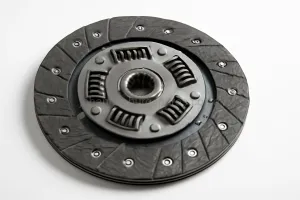
Ford Ranger Clutch Sets Components
Complete clutch sets and components
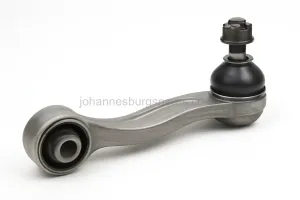
Ford Ranger Control Arms Ball Joints
Precision control arms and ball joints for steering
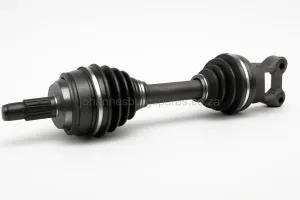
Ford Ranger Cv Joints Half Shaft Assemblies
Durable CV joints and shaft assemblies
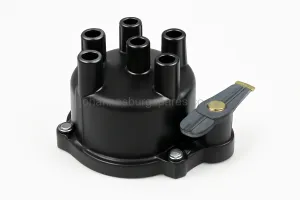
Ford Ranger Distributor Caps Rotors
Precision distributor caps and rotors
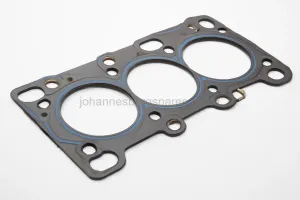
Ford Ranger Engine Gaskets Seals
Premium gaskets and seals for leak prevention
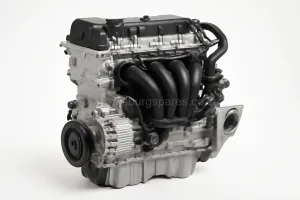
Ford Ranger Engines Engine Accessories
Complete engines and accessories for rebuilds
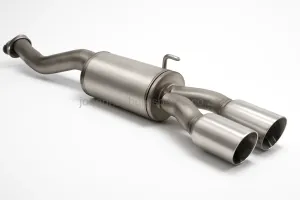
Ford Ranger Exhaust Pipes Resonators
Quality exhaust pipes and resonators
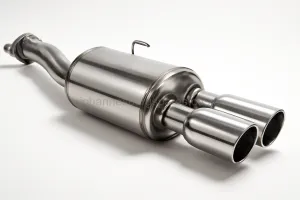
Ford Ranger Exhaust Systems Performance Exhausts
High-performance exhaust systems for better flow
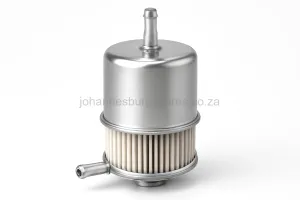
Ford Ranger Fuel Filters
Clean fuel delivery for optimal engine performance
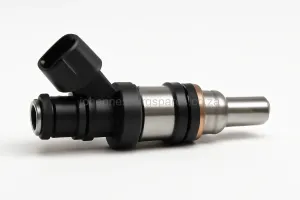
Ford Ranger Fuel Injectors
Precision fuel injectors for optimal engine performance
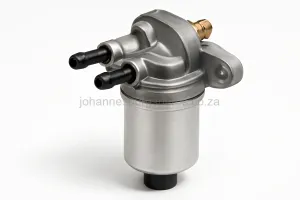
Ford Ranger Fuel Pumps
Reliable fuel pumps for consistent fuel delivery
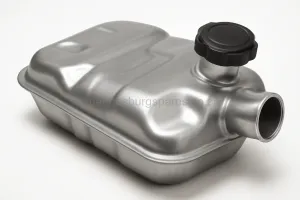
Ford Ranger Fuel Tanks Fuel Caps
Quality fuel tanks and caps for secure fuel storage
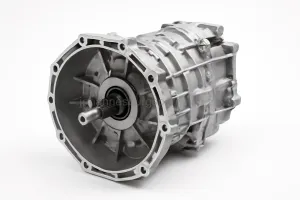
Ford Ranger Gearboxes Transmission Parts
Quality gearboxes and transmission components
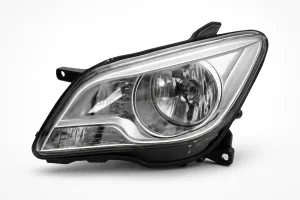
Ford Ranger Headlight Assemblies Bulbs
Bright headlight assemblies and bulbs for safety
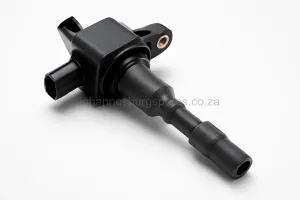
Ford Ranger Ignition Coils Ignition System
Reliable ignition coils and system components
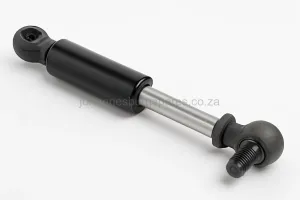
Ford Ranger Lift Supports Tie Rod Ends
Quality lift supports and tie rod ends
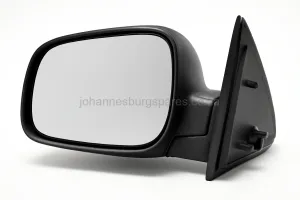
Ford Ranger Mirrors Mirror Glass
Quality mirrors and mirror glass for clear vision
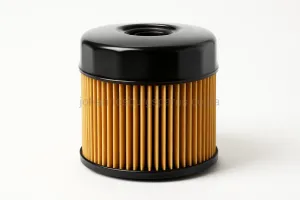
Ford Ranger Oil Filters
Protect your engine with high-quality oil filters
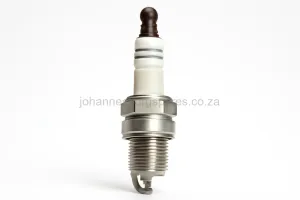
Ford Ranger Spark Plugs
Reliable ignition with premium spark plugs
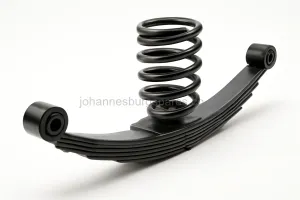
Ford Ranger Springs Leaf Springs
Heavy-duty springs for optimal vehicle support
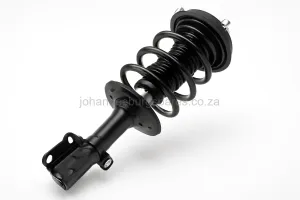
Ford Ranger Struts Shock Absorbers
Smooth ride comfort with premium suspension parts
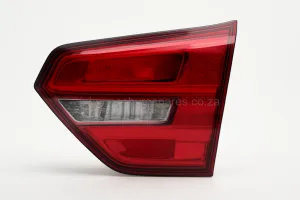
Ford Ranger Taillights Brake Lights
Quality taillights and brake lights for visibility
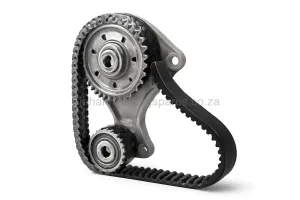
Ford Ranger Timing Chains Belts
Precision timing chains and belts for engine sync
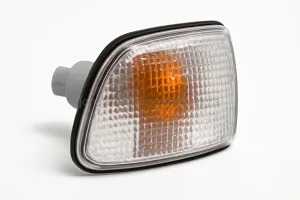
Ford Ranger Turn Signal Indicators
Reliable turn signals and indicators
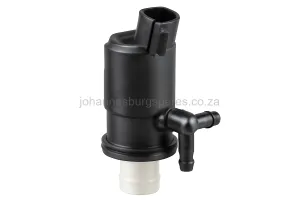
Ford Ranger Windshield Washer Pumps Nozzles
Reliable washer pumps and spray nozzles
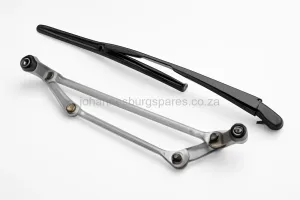
Ford Ranger Wiper Arms Linkage
Durable wiper arms and linkage systems
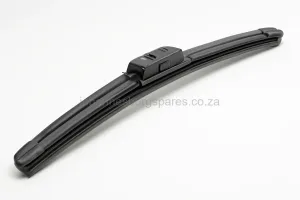
Ford Ranger Wiper Blades Refills
Effective wiper blades and refills for clear vision
Ford Ranger
Technical Details
📋 Vehicle Information
🔧 Engine Specifications
Wikipedia Source
All specifications verified from official sources
Professional Ford Ranger Parts Service in Johannesburg
Ford Ranger Variants
We stock parts for all Ford Ranger variants. Find the exact components for your specific vehicle configuration.
2.2 TDCi
3.2 TDCi
2.0 Bi-Turbo
Why Choose Our Ford Ranger Parts Service?
Professional service with quality Ford parts expertise for your Ranger.
Fast Delivery
Same-day delivery available for Ford Ranger parts across Johannesburg
Model-Specific Parts
Exact fit parts designed specifically for Ford Ranger
Competitive Pricing
Best prices on quality aftermarket Ford Ranger parts
Ford Ranger Parts — Common Faults & SA Pricing
The Ford Ranger is the bakkie we quote on more than anything else wearing a Blue Oval. T6, T7 and T8 generations are everywhere on Johannesburg roads — Silverton-built units running daily between sites, farms, and long-haul N1 work, with mileages that routinely cross 300,000 km. Three engines dominate what comes through our quote desk: the 3.2 TDCi five-cylinder (P5AT, the engine the Ranger is best known for), the 2.2 TDCi four-cylinder (gentler workload, lighter on parts), and the 2.0 Bi-Turbo found in the later Wildtrak and Raptor. The headline fault — and the one this page exists to spell out properly — is the 3.2 TDCi injector failure pattern that's chewed through fleets across Gauteng since the engine landed. We supply the parts. Your diesel shop fits them.
Ranger ownership in SA carries a specific repair budget shape. Service items stay cheap — pads, discs, filters, glow plugs, prop-shaft centre bearings — but the diesel fuel system is where the big rands live. Add Joburg's daily pothole tax on lower arm bushes, leaf springs flattening on bakkies that genuinely carry weight, clutch master and slave cylinder failures on hard-worked manuals, and EGR coolers cracking on the 3.2 TDCi, and you've got a vehicle that needs a steady aftermarket parts pipeline to stay on the road past 200,000 km. We stock the recurring wear items and source the bigger jobs (injector sets, turbos, EGR coolers) through SA's mature aftermarket and diesel-specialist network. We're an aftermarket supplier — not an authorised Ford dealer, not a workshop. Quotes are honest, OEM and aftermarket priced side-by-side, in ZAR.
3.2 TDCi P5AT injector failure — the headline job
This is the Ranger fault that everyone in the SA diesel trade knows by heart. The 3.2 TDCi P5AT runs five Delphi/Siemens common-rail injectors and they fail in a predictable pattern: pintle wear, nozzle blockage from contaminated fuel, and tip damage from water-in-fuel events that the sensor missed or the owner ignored. Symptoms start as a rough idle, white smoke on cold start, rising fuel consumption, and a misfire on one cylinder under load. By the time the engine light shows, you're often looking at the full set. Reconditioned individual injectors run R4,800 to R6,500 each through SA diesel specialists (full strip, new nozzles, calibration and coding). A set of 5 — which is what most experienced workshops insist on — lands at R24,000 to R32,500 in parts alone. New OEM injectors are R6,500 to R8,500 each. Fitting and coding adds R3,500 to R6,000 at a competent diesel shop. We supply the units, you choose the fitter.
Water-in-fuel sensor and fuel filter housing — the upstream cause
If you're replacing 3.2 TDCi injectors without sorting the upstream fuel system, you'll be doing it again. The water-in-fuel sensor on the 3.2 TDCi fuel filter housing fails frequently — corroded contacts, intermittent warnings, or no warning at all when water is actually present. Aftermarket sensors run R450 to R850. The complete fuel filter housing assembly (with sensor port, primer, and water drain) is R1,800 to R3,200 aftermarket versus R3,800 to R5,500 OEM. Most workshops doing an injector job replace the housing, sensor, and both fuel filters (primary and secondary at R280 to R620 each) as a single package — it's cheap insurance against repeating a R30,000 injector set in 18 months. SA fuel quality and water contamination from older underground tanks are the real culprits behind 3.2 injector failures, so fix the cause, not just the symptom.
2.2 TDCi turbo actuator failure
The 2.2 TDCi four-cylinder is the gentler 3.2's sibling and racks up fewer dramas, but the variable-geometry turbo actuator is the standout fault. It fails between 140,000 and 200,000 km — limp mode, glow plug warning light, and scanner codes for turbo underboost or actuator position error. The electronic module on the turbo body burns out, or the variable vanes carbon up and seize. Aftermarket replacement actuators run R5,500 to R7,500 for the electronic bolt-on unit. A complete reconditioned turbo with new actuator fitted is R9,500 to R14,000 aftermarket versus R18,000 to R26,000 OEM. EGR valve cleaning at R450 to R900 usually goes alongside because the two systems foul each other on diesel bakkies that do urban work.
EGR cooler cracking on the 3.2 TDCi
The 3.2 TDCi EGR cooler cracks internally between the coolant and exhaust passages, dumping coolant into the intake and producing white smoke, mysterious coolant loss, and sometimes hydraulic lock if the leak is severe. Owners describe topping up the reservoir weekly with no visible external leak. Aftermarket replacement EGR coolers run R4,500 to R7,500 versus R9,500 to R13,000 OEM. The EGR valve itself often needs replacing at the same time at R2,800 to R4,200 aftermarket. It's a 4 to 6 hour fit at an independent workshop. If you're seeing white smoke and coolant loss on a 3.2 with no head gasket symptoms, EGR cooler is the first suspect — not the head gasket.
Clutch master, slave cylinder and clutch kit on hard-worked manuals
Manual Rangers that genuinely work — site bakkies, farm bakkies, towing units — burn through clutch hydraulics and clutch packs faster than the salesman ever suggested. The clutch master cylinder fails first (pedal goes spongy or sinks to the floor) at R650 to R1,100 aftermarket. The slave cylinder, which is the concentric type built into the bell housing on later Rangers, runs R1,800 to R3,200 aftermarket and requires gearbox-out access, which is why most workshops do the clutch kit at the same time. A complete LuK or Sachs clutch kit (pressure plate, friction disc, release bearing) lands at R4,500 to R7,500 aftermarket versus R8,500 to R13,000 OEM. Dual-mass flywheels, when they need replacing, add another R6,500 to R11,500. Budget R12,000 to R22,000 in parts for a full clutch refresh on a hard-worked Ranger.
Rear leaf spring fatigue and front lower arm bushes
Two suspension faults round out the Ranger ownership picture. Rear leaf springs flatten on bakkies that actually carry weight — payload sag, soft tail-end behaviour, and the load-bed sitting visibly lower than factory. Aftermarket replacement leaf-spring packs run R2,800 to R4,500 per side, with U-bolts and bushes adding R450 to R850. Most owners replace both sides together to keep ride height even. Up front, lower control arm bushes go between 80,000 and 130,000 km on Joburg roads — knock over bumps, vague steering, and inner-edge tyre wear. Complete aftermarket lower arms with bushes and ball joint pre-fitted are R1,200 to R2,400 per side. Anti-roll bar links at R280 to R480 each usually go at the same time. Front brake pads and discs are cheap aftermarket — pads R380 to R750 a set, discs R480 to R950 each.
Ford Ranger — Frequently Asked Questions
What does a full 3.2 TDCi injector job realistically cost in 2026?
Realistic 2026 numbers for a complete 3.2 TDCi P5AT injector job at an SA diesel specialist: reconditioned set of 5 injectors at R24,000 to R32,500 parts, fitting and coding at R3,500 to R6,000 labour, fuel filter housing and water-in-fuel sensor replacement at R2,250 to R4,050, primary and secondary fuel filters at R560 to R1,240, and fresh fuel system flush at R450 to R900. All-in you're looking at R30,750 to R44,690. New OEM injectors push the parts portion to R32,500 to R42,500 (R6,500 to R8,500 each × 5), taking the total over R50,000. We quote both routes — reconditioned is what most SA workshops fit because the quality from reputable rebuilders is excellent and the price gap is hard to justify.
How do I confirm a water-in-fuel sensor problem versus an actual contamination event?
On a 3.2 TDCi, intermittent water-in-fuel warnings on a vehicle that's just been filled at a reputable forecourt usually point to a failing sensor at R450 to R850 aftermarket. A constant water-in-fuel warning, especially after filling at a remote or older forecourt, should be treated as a real contamination event — drain the fuel filter water trap immediately and don't drive until a workshop has pulled fuel samples. The sensor sits in the fuel filter housing and is a 30-minute swap. If the sensor is good but the warning persists, you've got actual water in the system and the longer you drive, the closer you get to the R30,000 injector job. SA fuel quality varies sharply between forecourts and water contamination from older underground tanks is the genuine root cause of most 3.2 injector failures.
Reconditioned versus new injectors on a 3.2 TDCi — which way should I go?
Honest answer from an aftermarket supplier: reconditioned wins on price by a wide margin and the quality from reputable SA diesel specialists is consistently good. A set of 5 reconditioned injectors at R24,000 to R32,500 versus new OEM at R32,500 to R42,500 saves R8,000 to R18,000 with no real performance difference on a properly rebuilt unit (new nozzles, full calibration, coded to the ECU). Where new makes sense: if the bakkie is under 100,000 km and you want OE longevity, or if you're selling soon and want to show a new-injector invoice. Where reconditioned makes sense: every other scenario, especially fleet vehicles and bakkies past 200,000 km. Always do all 5 — replacing one at a time is false economy because the others are usually within months of failing.
Can I replace just one failed 3.2 injector to save money?
We'll supply one injector if that's what you order, but every diesel shop we work with will push back on single-injector jobs. When one 3.2 TDCi injector fails from fuel contamination or pintle wear, the other four have been exposed to the same contaminated fuel and the same hours. We see single-injector jobs come back within 6 to 18 months with another failed unit, and at that point you've paid the fitting and coding labour twice. The economic answer is the full set of 5 at R24,000 to R32,500 reconditioned plus single-fitment labour. The other case for a full set is that the diesel shop calibrates the set together against the ECU — mixing one fresh unit with four worn ones gives uneven cylinder balance and a rough idle that's harder to chase than a clean job.
How long do 3.2 TDCi injectors typically last in SA conditions?
On clean fuel and with regular fuel-filter changes, 200,000 to 280,000 km is realistic before reconditioning is due. We see early failures from 120,000 km on bakkies that have had a water-contamination event, and we see units run past 320,000 km on fleets that drain the fuel filter water trap weekly and stick to two reputable forecourts. The biggest controllable factor is the fuel filter housing and water-in-fuel sensor — if either is faulty, your injector life drops sharply. Treat the R2,500 fuel system service as cheap insurance against a R30,000 injector job.
Do you supply Ranger Raptor and Wildtrak 2.0 Bi-Turbo parts?
Yes, increasingly. The 2.0 Bi-Turbo is newer to the SA aftermarket but parts depth has grown sharply over the last two years. Service items (filters, pads, discs, glow plugs, suspension bushes, water pumps) are stocked aftermarket. The 10-speed auto fluid and filter service is well-documented and the parts are available. Bigger items — turbos, injectors, complete EGR assemblies — we source through the SA aftermarket network with 2 to 5 working day lead times. Send your VIN and we'll quote OEM and aftermarket side-by-side, with delivery times for Johannesburg. We're an aftermarket supplier, not a Ford dealer and not a workshop, so quotes are honest and you choose your own fitter.
Need a Ford Ranger Parts Quote?
Send your VIN and we'll quote OEM and aftermarket prices side-by-side in ZAR, with delivery times for Johannesburg.
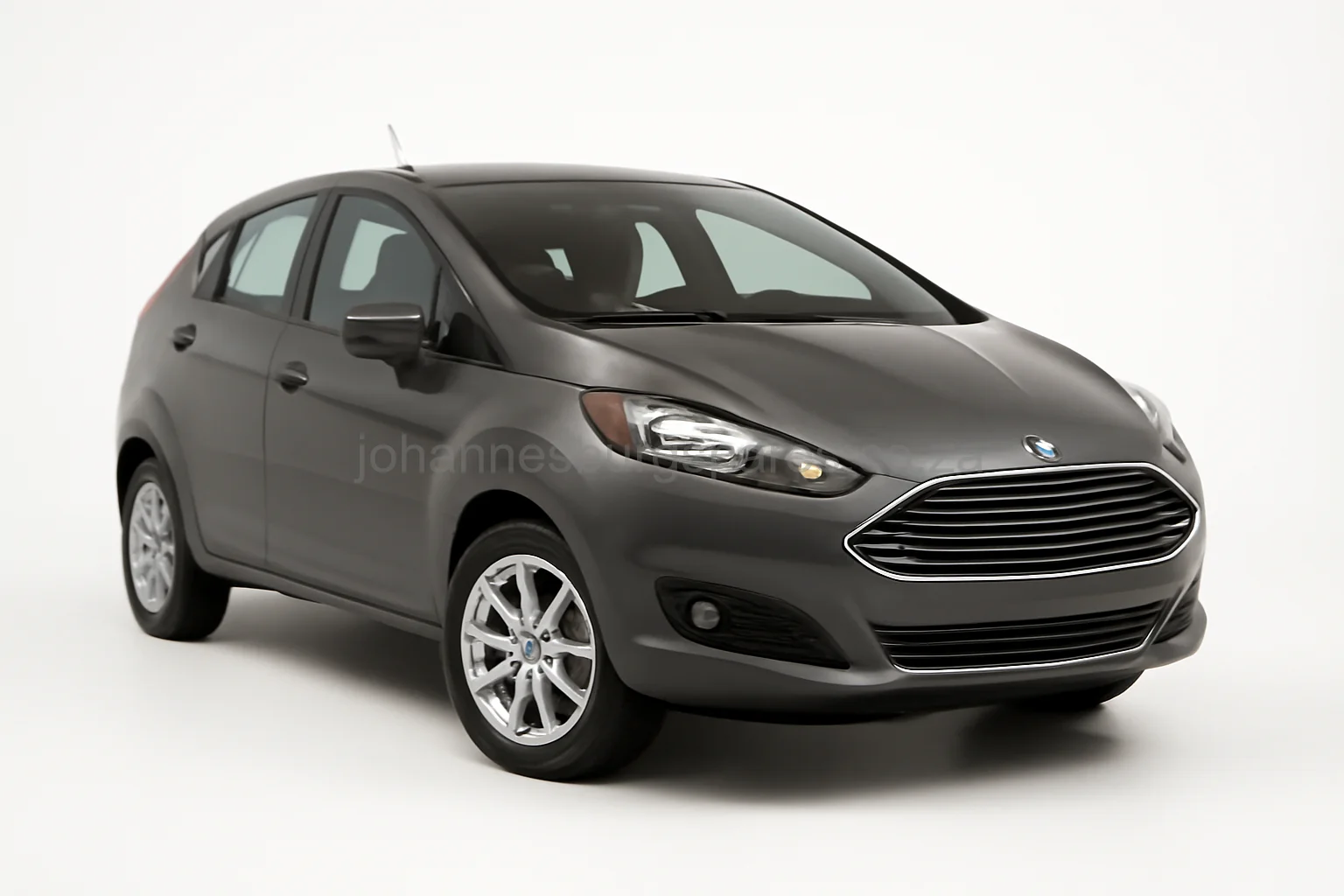
Need Quality Ford Ranger Parts?
Get your free quote today! Fast delivery available with expert advice and quality guaranteed for your Ford Ranger.