Fiat Palio Common Problems in Johannesburg: Head Gasket, Electrics & Buying-Used Guide
The most common Fiat Palio faults SA owners report: FIRE-engine head gasket failure, fast overheating, starting-relay and electrical gremlins, and gearbox synchro wear, with real Rand repair costs and where to get Palio spares in Johannesburg.
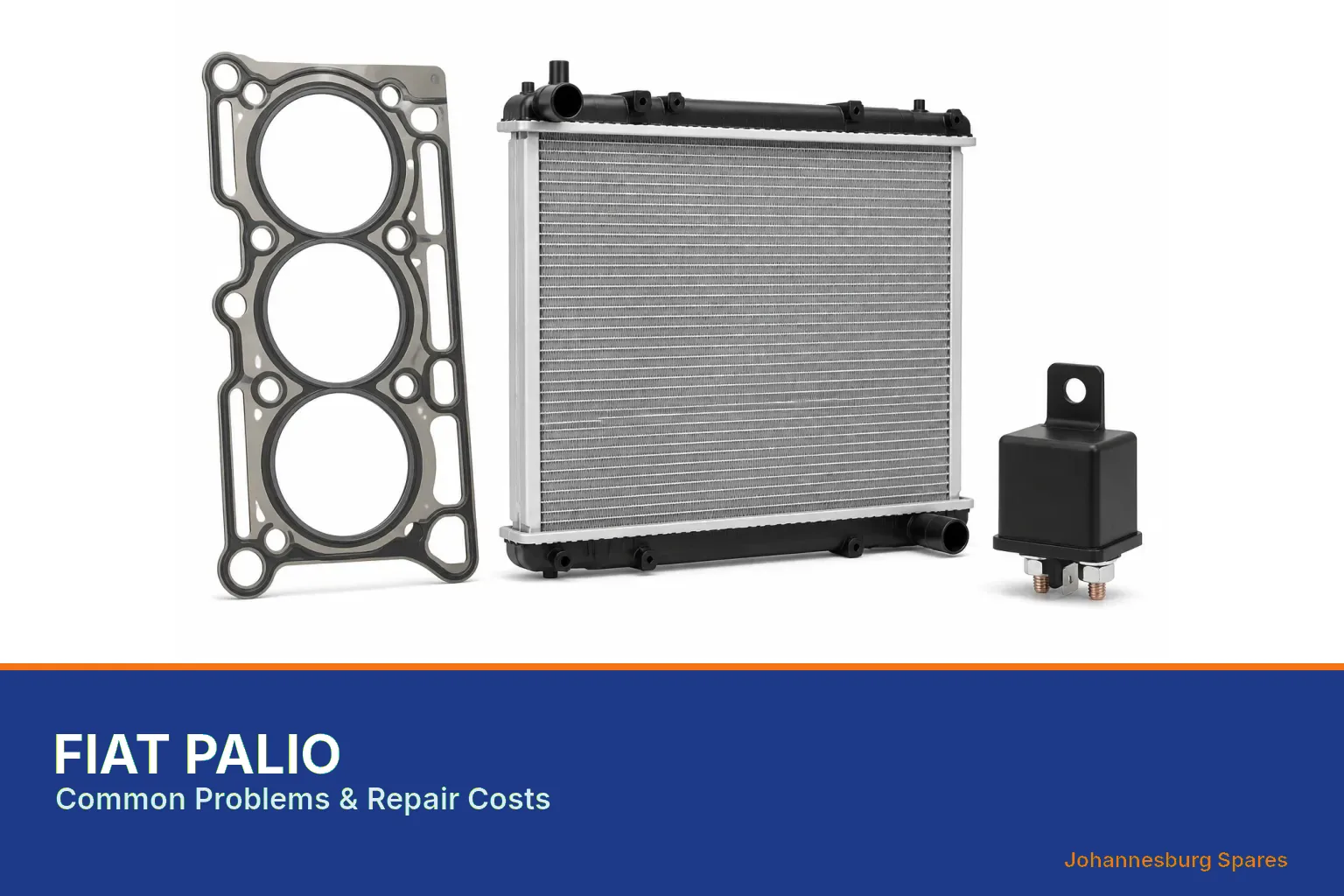
The Fiat Palio is the Brazilian-built compact hatch that took over from the Uno on a lot of Johannesburg driveways, sold here through the early 2000s and into the 2010s in 1.2, 1.4 and 1.6 Fire-engine guise, plus the Weekend and Siena derivatives. Fiat pulled the nameplate from the SA price list years ago, but the rolling fleet is still substantial: budget daily drivers, second cars, student runarounds and taxi-spec hatches that keep clocking kilometres long after the badge went out of production. Our Fiat Palio parts page already covers the day-to-day service items, but real owner reports point to a more specific set of risks worth knowing before you buy or keep running one: a FIRE-engine head gasket that's a known weak point once the car has run hot even once, a radiator and cooling system that some South African owners describe overheating within five minutes of driving, a cluster of electrical gremlins centred on a faulty starting relay, and gearbox synchro wear that shows up as a car that suddenly drops out of 3rd gear. None of it is safety-critical, and none of it puts the Palio outside an independent Johannesburg workshop's comfort zone. Here's what actually goes wrong, what it costs in Rand, and what to check before you hand over money.
Key Takeaways
- A head gasket failure is the single biggest engine risk on the shared Fire 1.2/1.4, and it's usually the result of even one prior overheating event rather than age alone. Budget R2,500-R8,500 for the job; get a compression test done on any Palio with an overheating history before you buy.
- Overheating itself is a repeat South African complaint, with owners on local forums reporting the gauge climbing to the top within about five minutes of driving. A stuck thermostat or dead fan relay (R850-R4,500) is the usual, cheap cause. Always run the engine to full temperature and watch the fan cut in before buying.
- A faulty starting relay is the single most logged Palio fault across owner-complaint databases: the engine has spark, fuel pressure and injector signal, but won't start. Cheap once diagnosed (R350-R2,800), but worth chasing properly since it can strand the car.
- Gearbox synchro and shift-fork wear shows up as the car suddenly dropping out of 3rd gear on its own, or general difficulty selecting gears that worsens with mileage. It's the model's worst-rated fault category on one owner database. Budget R1,800-R8,500 depending on whether it's linkage wear or an internal rebuild.
- A clutch that won't fully disengage, sticking the car in first gear, usually traces to an incorrectly fitted clutch plate, a worn release bearing, or a leaking slave cylinder (R1,800-R3,800).
- Full service history and a proper cold-start, full-temperature test drive matter more than mileage alone. Most of what's below is caught before you buy, not after.
1. Head gasket failure and compression loss on the Fire engine
The shared Fiat FIRE 1.2/1.4 8v engine block and head design is a documented weak point across the whole Uno/Punto/Palio family, and it's the Palio's most serious common fault1. Owners describe a hunting, surging idle and rough running after the car has been driven hot even once, and a US owner-complaint database logs a 2003 model that stalled outright while driving at around 48,000 miles, with the engine problem traced back to the gasket2. Once the gasket has actually gone, the telltale signs are white, steamy exhaust smoke, coolant disappearing with no visible external leak, and oil taking on a milky, mayonnaise-like appearance from coolant contamination. A used-parts reference covering the FIRE engine family separately names head gasket failure as one of the most common faults on this specific engine, with the Palio called out by name3 — the same weak point documented on the shared-platform Fiat Uno.
A mechanic confirms the fault with a compression or leak-down test and a check for coolant-contaminated oil, then skims the head flat before fitting a new gasket, re-bleeds the cooling system and runs the car to full temperature to confirm there's no repeat overheating. Parts and labour run R2,500-R8,500 depending on whether the head also needs machining. Because this engine family's gasket is a known weak point once a car has run hot even once, get a compression test done on any used Palio with an overheating history before you buy, not after.
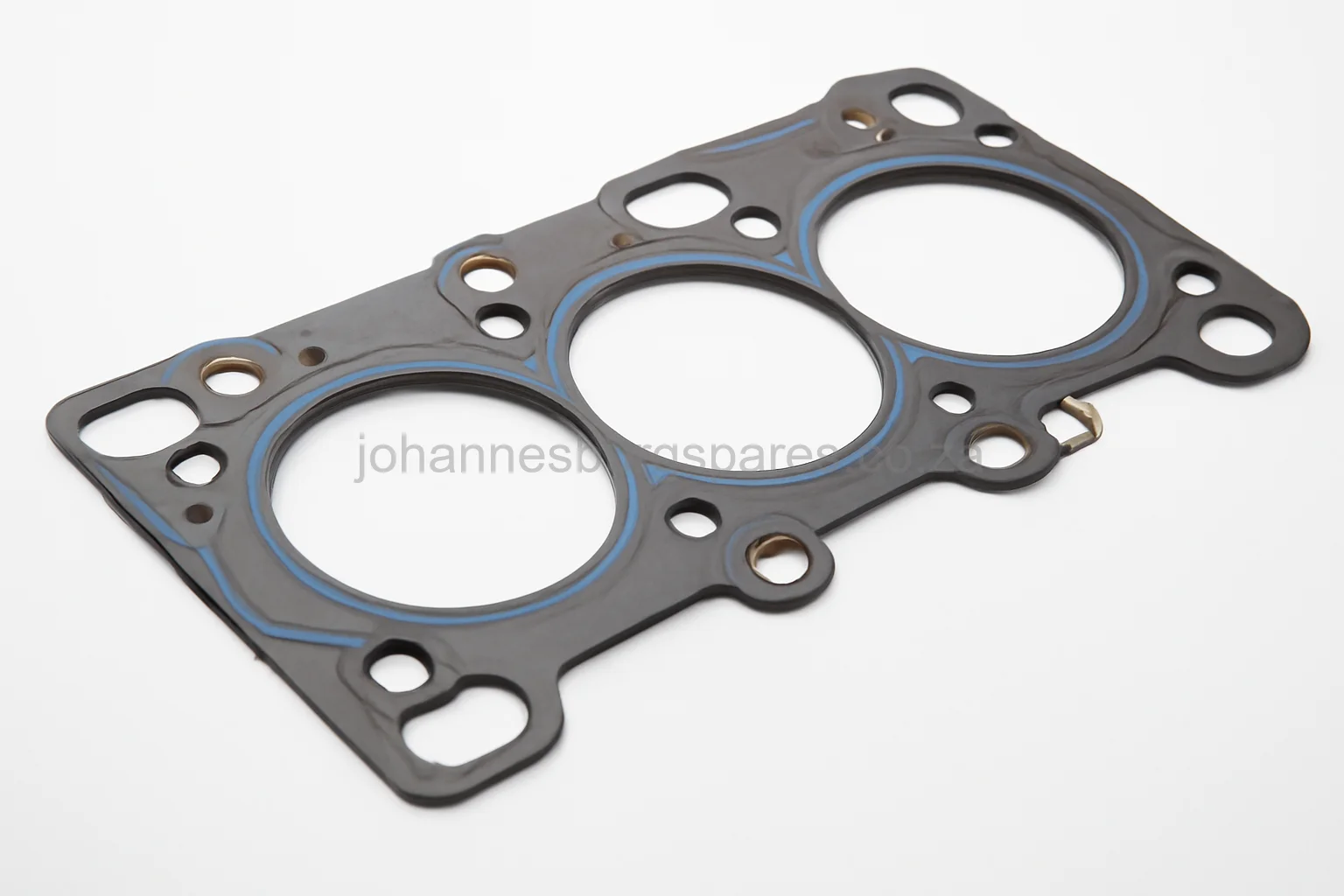
Fiat Palio Head Gaskets & Engine Seals
If a compression test confirms a blown head gasket on your Palio's 1.2 or 1.4 Fire engine, we stock replacement gasket sets and can source a skimmed or reconditioned head. Send us your VIN and engine code and we'll confirm fitment and stock.
2. Overheating: radiator, thermostat, water pump and fan faults
Overheating is one of the most consistently reported Palio faults, and it's not just an international complaint: a South African owner posting on the MyBroadband Forum described a 2005 1.6 Palio overheating within five minutes of driving4, and a separate owner report on a 1.2-litre car describes the same pattern5. A used-parts reliability database logs 162 separate Palio owner reports, with the radiator flagged as a distinct engine-related fault category and electric cooling fan failures noted among recent submissions6. The gauge climbing to the top within minutes with no visible external leak usually points at a thermostat stuck shut, a partially blocked radiator, a worn water pump losing circulation, or a fan thermoswitch and relay that isn't triggering the fan at all.
Diagnosis starts with a cooling-system pressure test to isolate whether it's the radiator, a hose, the water pump, or, at worst, the head gasket. The cheapest and most common fix is a new thermostat or a fan relay; a genuinely blocked or leaking radiator needs replacing outright rather than topped up and hoped for. Budget R850-R4,500 across the range from thermostat to a full radiator and water pump swap. Because more than one owner specifically reports the gauge climbing within five minutes, run the engine to full operating temperature at the viewing and physically watch the fan cut in before you buy.
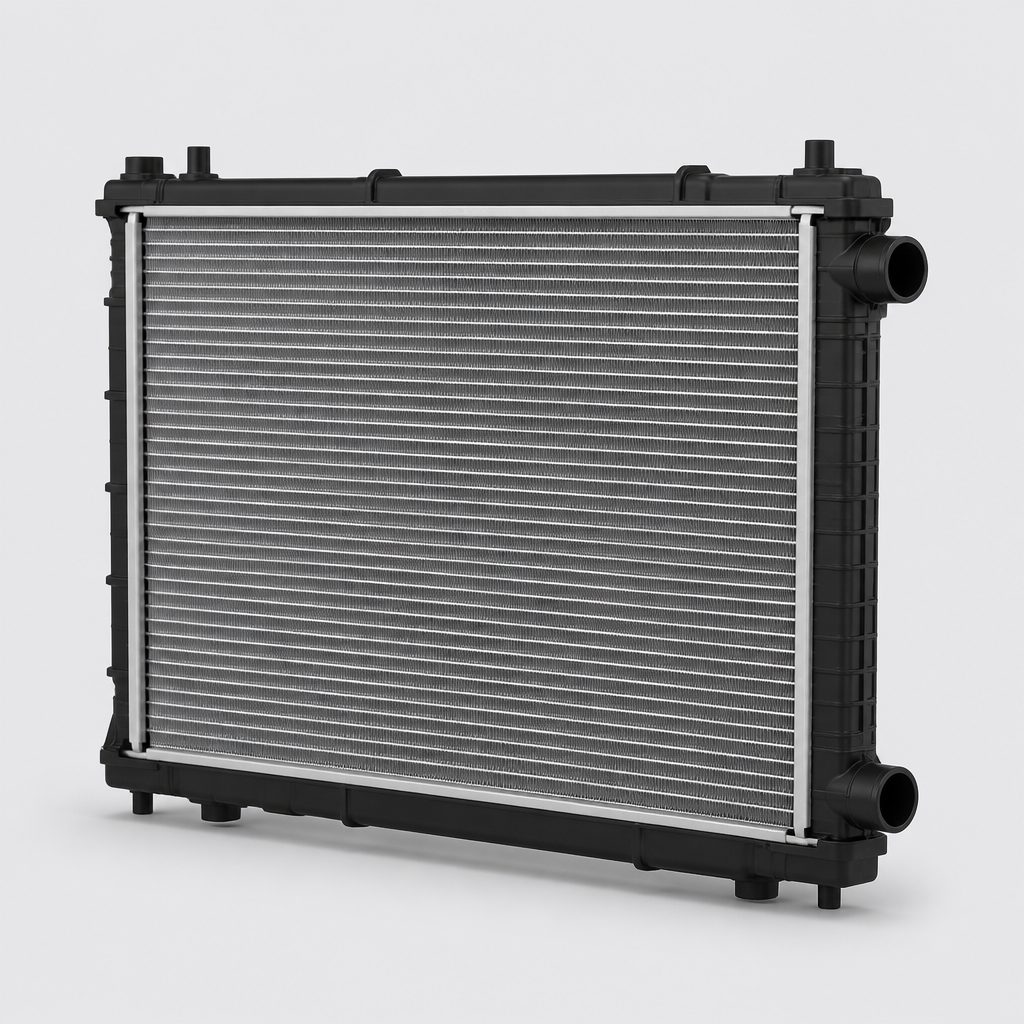
Fiat Palio Radiators & Cooling Parts
Aftermarket and used-fit radiators, thermostats and fan relays for the 1.2, 1.4 and 1.6 Fire engine. If your Palio is running hot within minutes of starting, send us your VIN and we'll quote the right part rather than guess.
3. Electrical gremlins: starting relay, alternator and window faults
A faulty double-switched starting relay is the single largest logged fault category on the Palio, with a reliability database recording 11 separate no-start reports traced back to it — the engine has spark, fuel pressure and injector signal, but simply won't crank or fire7. The same database logs three reports of a turbine-like alternator whine at higher revs and two reports of brake-light failure unrelated to the bulbs themselves. A South African owner thread on MyBroadband describes a Palio with doors popping open on their own alongside general heating and electrical problems on the same car, suggesting a wider body-loom and switch-quality issue rather than one isolated fault8, and a separate Fiat Forum thread specifically documents electric window faults on this model9.
Most of these trace back to one specific failed relay, switch or connector rather than a full wiring-loom fault. On a no-start complaint a mechanic tests the starting relay first, since it's the single most-reported cause, then works through the alternator, the brake-light switch or fuse, and the window and door switches individually. Budget R350-R2,800 across these faults. They're cheap parts, but a failing starting relay can strand the car with no warning, so it's worth chasing down properly rather than living with an intermittent no-start.
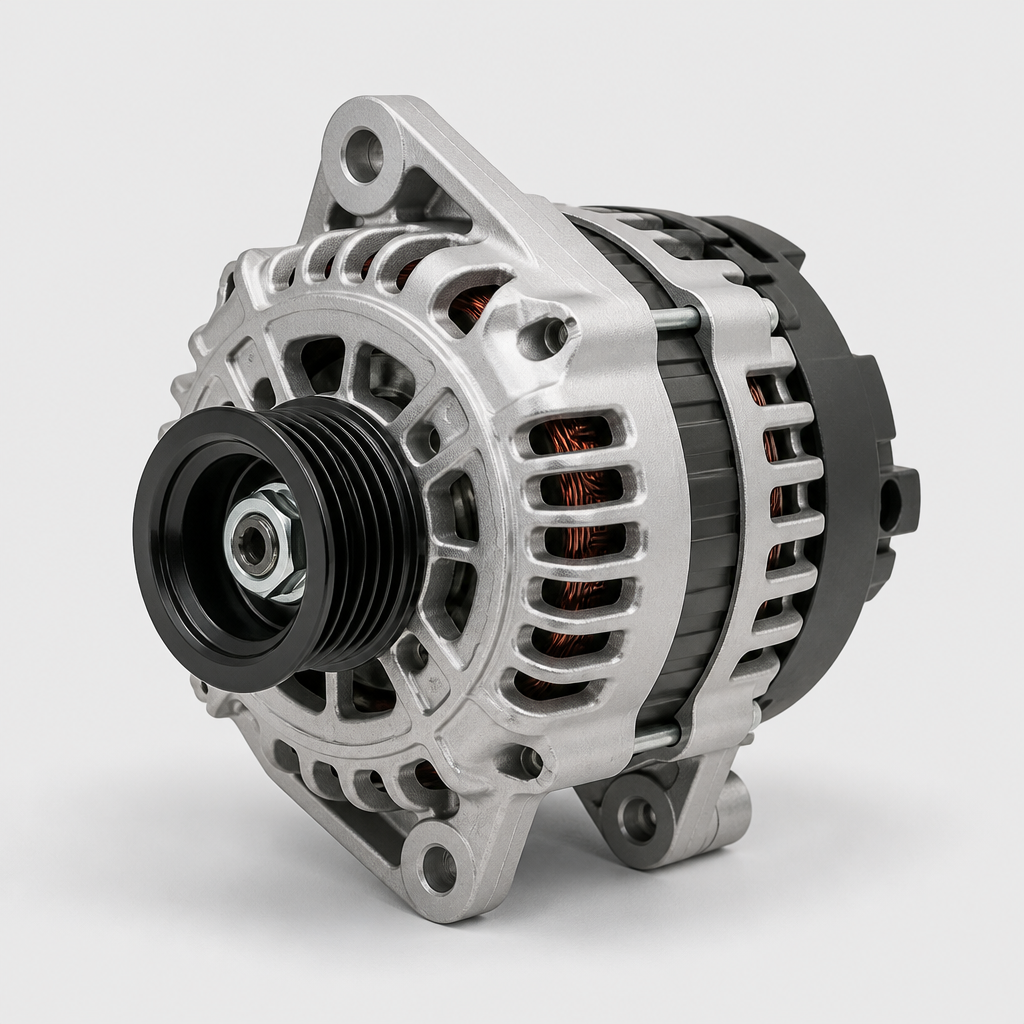
Fiat Palio Alternators, Relays & Starter Parts
Starting relays, alternators and starter motors for the Palio range. A no-start or charging fault is usually a same-day part for this model, so send us your VIN and we'll confirm stock and price.
4. Gearbox synchro and shift-fork wear
A reliability database logs a high-mileage Palio (around 300,000 miles) suddenly making a noise from 3rd gear and dropping into neutral on its own, with other gears unaffected — suspected synchronizer or shift-fork damage10. The same database separately logs a 2001 model with worsening difficulty shifting gears at roughly 127,000 miles, and lists transmission as the single worst-rated fault category for the model overall11. A Fiat Forum thread on a general gearbox problem corroborates the same grinding, notchy-shift symptom pattern, worse in 3rd12. Not every hard-shifting complaint is internal wear, though: worn or maladjusted selector linkage, or simply low gearbox oil, produce a very similar feel for a fraction of the repair cost.
The cheap end of this fault is topping up or replacing gearbox oil and inspecting the selector linkage for wear or maladjustment, well under the low end of the range below. If a synchro ring or shift fork has genuinely failed, the gearbox has to come out for a rebuild or a used/reconditioned unit swap, which is where the top of the R1,800-R8,500 range comes from. Get a mechanic to isolate linkage wear from internal damage before paying for the expensive fix.
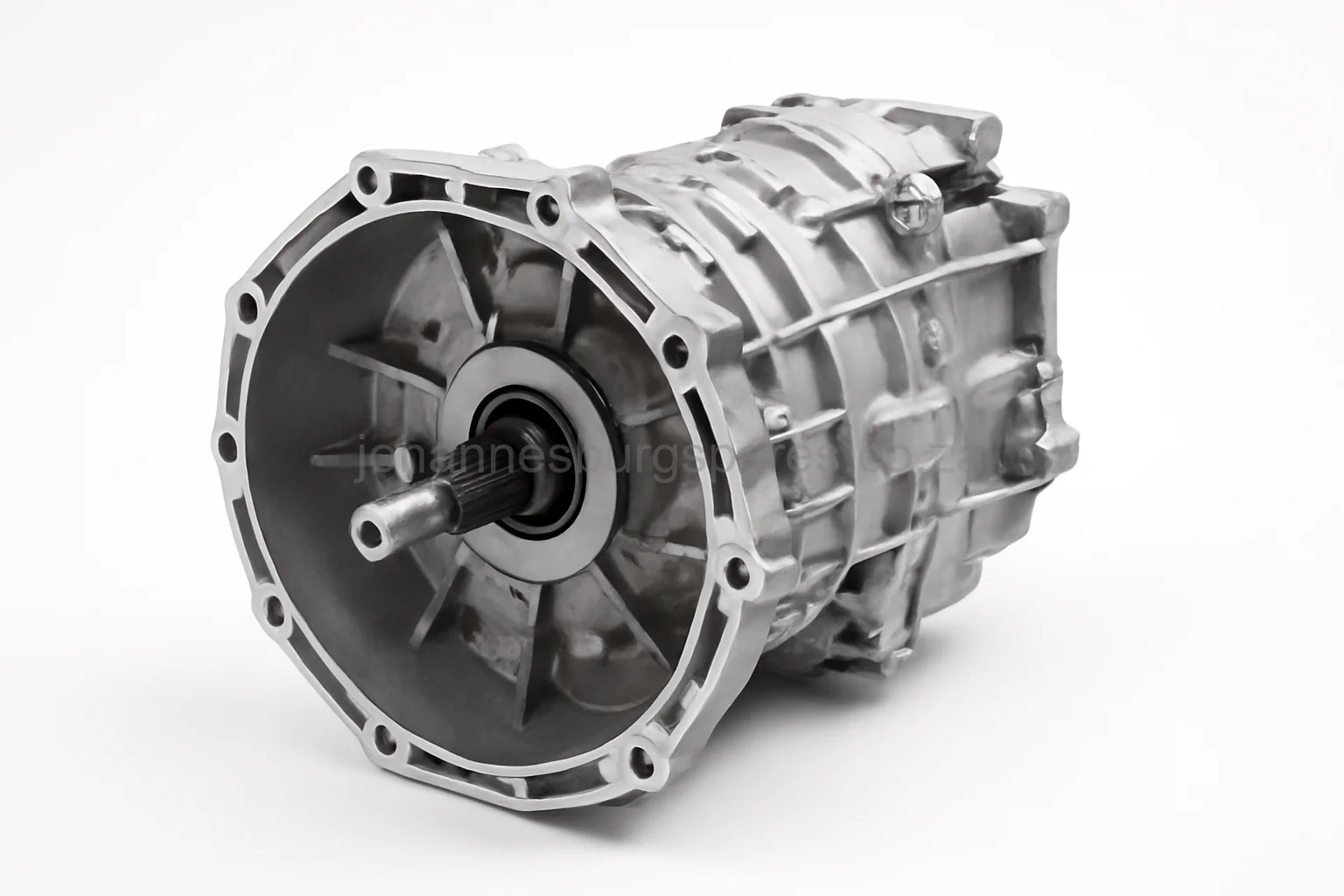
Fiat Palio Gearboxes & Transmission Parts
Used and reconditioned gearboxes, selector linkage components and gearbox oil for the Palio range. If 3rd gear is dropping out on its own, get it quoted before it strands you on the road.
5. Clutch sticking or failing to disengage
A reliability database logs a 2007 1.4 Palio where the clutch pedal sticks in first gear and the car won't return to neutral unless the engine is switched off, with reverse gear engaging even while the clutch pedal is fully depressed13. A Fiat Forum thread on a separate Palio clutch problem corroborates a similar loss-of-disengagement symptom14. The most common causes are a clutch centre or friction plate that was fitted the wrong way round and is jamming against the flywheel bolts, a worn release or thrust bearing, or a leaking clutch slave cylinder at the gearbox dropping hydraulic pressure.
A mechanic checks the slave cylinder for hydraulic fluid leaks first and bleeds the system if that's the cause. If the clutch plate was fitted incorrectly or the release bearing has genuinely worn out, a full clutch kit — plate, cover and bearing — is fitted as a matched set rather than patching individual parts. Budget R1,800-R3,800 for the job. A clutch that won't disengage cleanly is not something to drive on; get it looked at before it leaves you stuck in gear.
6. Front suspension bush and steering wear
A Fiat Forum thread describes a screeching or clunking noise from the front and rear suspension that gets worse over bumps15, and a separate buyer's guide to the 2008 Palio names worn-out bushings and damaged struts as the cause of the same clunking-over-bumps symptom16. Vague or drifting steering feel and uneven front tyre wear tend to follow as the bushes and control-arm ball joints age. South Africa's harder road surfaces compared to Europe accelerate bush wear relative to the car's original design life.
Worn bushes and ball joints are replaced individually or as a control-arm assembly once play or a clunk is confirmed on a lifted inspection, and front shocks are usually replaced in pairs if the struts themselves are damaged. Budget R700-R2,800 for this work — it's routine, inexpensive maintenance on this model rather than a red flag by itself.
7. Timing belt (cambelt) replacement: due-date maintenance
The FIRE engine's timing belt gives no warning before it fails: a used-parts guide to the engine family quotes a service interval of roughly 60,000-100,000 km, with the Palio named as one of the common FIRE-engine models fitted with it17, and a dedicated Palio timing-belt guide corroborates a similar due-date interval18. A belt reaching the end of its life, a perished belt on a low-mileage but long-stored car, or a failing tensioner or idler pulley can all take the belt with them without any prior ticking or squealing to warn you.
The belt, tensioner and idler pulley are replaced as a kit at the due interval regardless of how the old belt looks. Owner reports on the FIRE 1.2/1.4 8v generally describe the engine as non-interference, meaning a snapped belt typically just kills the engine dead rather than causing valve damage, but a worn tensioner or idler failing alongside the belt can still cause more serious damage, so it's not worth gambling on. A water pump is often swapped in the same job since the labour overlaps. Budget R900-R2,500 for the kit and fitting. A used Palio with no service history should have this budgeted for immediately, not assumed done.
8. Excessive oil consumption on aged or previously rebuilt engines
A Fiat Forum thread documents an owner with a rebuilt Palio engine burning roughly one litre of oil every 100 km, well beyond normal top-up levels19, and the same used-parts guide to the FIRE engine family names oil consumption from worn piston rings or valve stem seal wear as a known issue on older units20. Blue exhaust smoke, worse on start-up or under load, alongside frequent oil top-ups between services, points at worn oil control rings letting oil past into the combustion chamber, or degraded valve stem seals letting oil seep down into the cylinders. A prior rebuild that didn't properly address ring or seal wear can leave the problem unresolved even on an engine that looks freshly serviced.
A compression or leak-down test alongside a visual check of the exhaust smoke colour confirms whether it's rings or valve seals. Light consumption is sometimes managed with a thicker oil grade, but an engine genuinely burning a litre every 100 km needs the head off for valve seals at minimum, or a ring job or short-engine swap if compression is low. Budget R3,500-R12,000 depending on the extent of the work. Get a compression test done before buying any used Palio with a "topped up regularly" service history.
9. Buying a used Fiat Palio: the pre-purchase checklist
Most of what actually matters on a used Palio is caught with a cold start, a full-temperature test drive and a check underneath, not a workshop lift. Combining the evidence above with the routine wear items already documented on our Fiat Palio parts page, here's the order to check them in:
- Start the car from stone cold and confirm it fires on the first attempt with no hesitation. A no-start despite normal cranking points at the starting relay first.
- Drive it until the temperature gauge is at operating level, timing how long it takes, and confirm the cooling fan actually switches on. A gauge climbing within five minutes is a documented Palio complaint, not a coincidence.
- Ask for a compression or leak-down test if there's any hint the car has ever overheated, or if the service history shows regular oil top-ups. Both point at the same underlying engine risk.
- Work the gearbox through every gear, including reverse, and listen for grinding or notchiness specifically in 3rd — that's the synchro wearing, and on this model it can escalate to the gear dropping out on its own.
- Press the clutch through a full stop-start cycle and confirm the car returns cleanly to neutral, not sticking in first.
- Check the front suspension for clunks over speed bumps and feel for vague, drifting steering at low speed.
- Ask for timing belt service history specifically — this is a scheduled item at 60,000-100,000 km with no warning before it fails. Even on a non-interference FIRE engine a snapped belt strands you on the road, so it's cheap insurance either way.
- Check the electric windows and central locking operate cleanly on every door, and watch for doors popping open unexpectedly.
None of the items above are reasons to walk away from a Palio on their own — they're well-understood, well-supplied faults on a simple, cheap-parts car. What they do mean is that a used Palio bought without checking them is a different proposition to one with a documented service history and a clean compression test.
Frequently Asked Questions
Why does my Fiat Palio overheat so quickly? South African owners have reported the temperature gauge climbing to the top within about five minutes of driving, usually caused by a stuck thermostat, a partially blocked radiator, a worn water pump, or a cooling fan relay that isn't triggering the fan. A pressure test isolates which component is at fault. Run the engine to full temperature and watch the fan cut in before buying a used Palio.
Is head gasket failure common on the Fiat Palio? Yes, it's the model's most serious common engine fault. The shared FIRE 1.2/1.4 engine's head gasket is a known weak point once a car has run hot even once, so any used Palio with an overheating history should have a compression test done before purchase. Repair costs R2,500-R8,500 depending on whether the head needs machining.
Why won't my Palio start even though it has fuel and spark? This is the single most logged Palio fault: a faulty double-switched starting relay. A mechanic tests the relay first on a no-start complaint since it's the most common cause, then checks the alternator, brake-light circuit and window switches individually if the relay tests fine. It's a cheap part once identified, but worth diagnosing promptly since it can strand the car.
Why does my Palio suddenly drop out of 3rd gear? This points at worn synchronizer rings or a failing shift fork inside the gearbox, and it's logged as the model's worst-rated fault category on one owner-complaint database. Low or degraded gearbox oil and worn selector linkage can cause similar symptoms for far less money, so get a mechanic to isolate linkage wear from genuine internal damage before paying for a rebuild.
What should I check before buying a used Fiat Palio? Start the car cold and confirm it fires cleanly, drive it to full temperature and confirm the fan cuts in, ask for a compression test if there's any overheating history, work every gear listening for 3rd-gear grinding, cycle the clutch to confirm it returns to neutral, check for suspension clunks over bumps, and confirm the timing belt service history. Finish by checking the electric windows and central locking operate cleanly on every door.
For the parts these checks turn up (head gaskets, cooling parts, starting relays and alternators, gearboxes and more) visit our Fiat Palio parts and common-faults page, browse engine parts and electrical parts directly, or send us your VIN and we'll check stock and quote you back, usually the same day.
Sources
- The Fiat Forum: Palio 1.2 8v headgasket / hunting idle
- CarComplaints.com: Fiat Palio Problems (2003 model, engine problem, died while driving at approx. 48,000 miles)
- AutoPartsWD: Fiat FIRE Engine — Specs, Problems & Buying Guide (head gasket failure section)
- MyBroadband Forum (South Africa): My Fiat Palio 1.6 2005 is overheating within 5 min
- MyCarHelpline: My Fiat Palio 1.2 sports petrol is overheating
- StartMyCar: Fiat Palio problems and issues (162 logged reports, radiator category)
- StartMyCar: Fiat Palio Electrical System problems and issues (starting relay, 11 reports)
- MyBroadband Forum (South Africa): Any Fiat Palio owners?
- The Fiat Forum: Palio Electric Windows
- StartMyCar: Fiat Palio Transmission/Gearbox problems (approx. 300,000 miles, 3rd-gear noise)
- CarComplaints.com: Fiat Palio Problems (2001 model, transmission problem, approx. 127,000 miles)
- The Fiat Forum: Gearbox problem (Palio/Siena)
- StartMyCar: Fiat Palio Clutch problems (2007 1.4, sticks in first gear)
- The Fiat Forum: Palio clutch problem
- The Fiat Forum: Suspension Problems — Screeching Voice from Front/Rear
- CarInterior: What to Know About the Fiat Palio 2008 Before Buying?
- AutoPartsWD: Fiat FIRE Engine — Specs, Problems & Buying Guide (timing belt interval section)
- StartMyCar: What is the timing belt on a Palio?
- The Fiat Forum: Excessive oil consumption after rebuild
- AutoPartsWD: Fiat FIRE Engine — Specs, Problems & Buying Guide (oil consumption section)
Please note: This guide is general information for South African motorists and not a substitute for advice from a qualified mechanic. Prices, availability and fitment vary by vehicle — always confirm the correct part for your exact make, model and year before buying.