Renault Triber Common Problems in Johannesburg: AMT Jerks, Weak AC & Buying-Used Guide
Renault Triber common problems in Johannesburg: jerky AMT gearbox behaviour, an underpowered engine at Highveld altitude, air-con that struggles fully loaded, interior rattles, a genuine bonnet-latch recall and clutch wear — with real ZAR repair costs and a buying-used checklist.
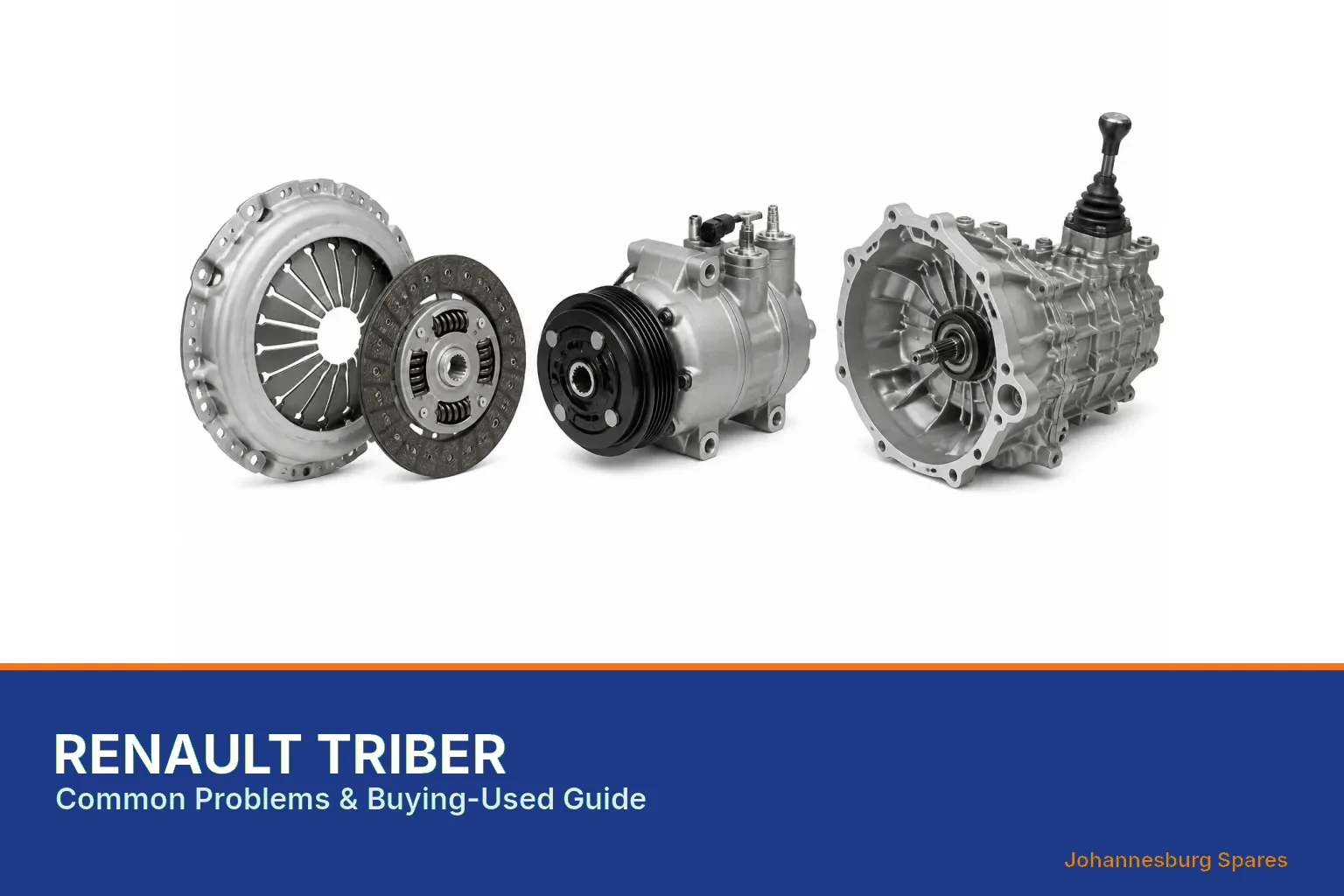
The Renault Triber punches well above its price tag — a genuine seven-seater for the cost of a small hatchback, which is exactly why it's become a common sight in Johannesburg traffic and on e-hailing apps. Owners generally rate it as reliable and cheap to run day to day. But six things catch out South African buyers specifically: an AMT gearbox that shifts jerkily on the automatic RXT/RXZ variants, a 1.0L engine that multiple SA reviewers found underpowered, especially loaded and at Highveld altitude, air-conditioning that struggles to keep all three rows cool under full load, interior rattles and loose trim, a genuine free bonnet-latch recall campaign worth checking, and clutch wear that's accelerated by rideshare use. Budgets for the fixable items range from R350 for a trim clip to around R7,500 for an AC compressor. Here's what the evidence shows, what it costs in Rands, and how to buy a good one.
Key Takeaways
- The AMT isn't broken, it's just jerky by design — and it gets worse with clutch wear. RXT/RXZ automatic owners report sudden clutch engagement and a "thud" on gear changes, and one long-term reviewer documented the jerkiness worsening as the clutch wore over time. Budget R1,500–R7,000 once it's confirmed as clutch-related.
- Check your recall status for free. Renault ran a technical/safety campaign on roughly 75,000 Tribers built between May 2019 and June 2021 to reinforce the bonnet latch. It costs nothing to check your VIN and get it rectified — do this before anything else.
- The 1.0L engine is a recurring complaint in South African reviews. Four independent South African write-ups (cars.co.za, AutoTrader SA, CAR Magazine, The Citizen) all found it underpowered once loaded, and naturally aspirated engines lose more power at Johannesburg's altitude than at the coast. Test-drive fully loaded and uphill before you buy.
- Air-con can struggle with all three rows and the engine both under load. Reviews are mixed, but the small compressor paired with the modest 1.0L engine is flagged as a limiting combination fully loaded. A compressor or belt job runs R3,000–R7,500 if something's actually failed rather than just under-specified.
- Clutch wear is a real cost to plan for, especially on cars used for e-hailing — genuinely common for this model in SA. A manual clutch kit and fitting runs R2,600–R7,000.
1. AMT (Easy-R) gearbox: jerky, hesitant shifts
If you're looking at an RXT or RXZ automatic, the single biggest thing to test-drive for is the AMT's shift quality. Experiences vary — CarWale's expert review found the gearbox "quite responsive," noting that even when shifts "do not feel seamless, they don't induce an irritating jerk." But real owners report a rougher picture: one CarWale owner review rated performance 1 out of 5, describing "the clutch release is not smooth at all, 90% of the clutch release is sudden causing a wheel to spin and is very noisy. Every gear shift gives a thud sound" 23.
Autocar India's long-term test of an RXT AMT resolves the contradiction: the gearbox got noticeably worse over time. Their final report notes "the wear on the clutch is also rearing its ugly head and engagement from a standstill is occasionally quite jerky," and separately that the box "will often go for a shift almost exactly when you don't want it to, like in the middle of an overtake" 1. In other words: some early jerkiness is simply how this low-cost single-clutch AMT behaves, but a shudder that's gotten worse over the car's life, or a shudder specifically from a standstill, points to genuine clutch pack wear rather than just the system's normal character. No Triber-specific AMT repair quote could be sourced for South Africa, but real workshop pricing for the equivalent clutch/gearbox job on the closely related Renault Kwid (same platform family) ranged from about R1,700 to R6,839 — use R1,500–R7,000 as a realistic planning range once a workshop has confirmed the actual fault.
Test-drive tip: pull away from a dead stop several times, including uphill. A single jerk under load is normal AMT character. A shudder that repeats every time, or that the seller admits is worse than it used to be, is the tell for clutch wear rather than just AMT calibration.
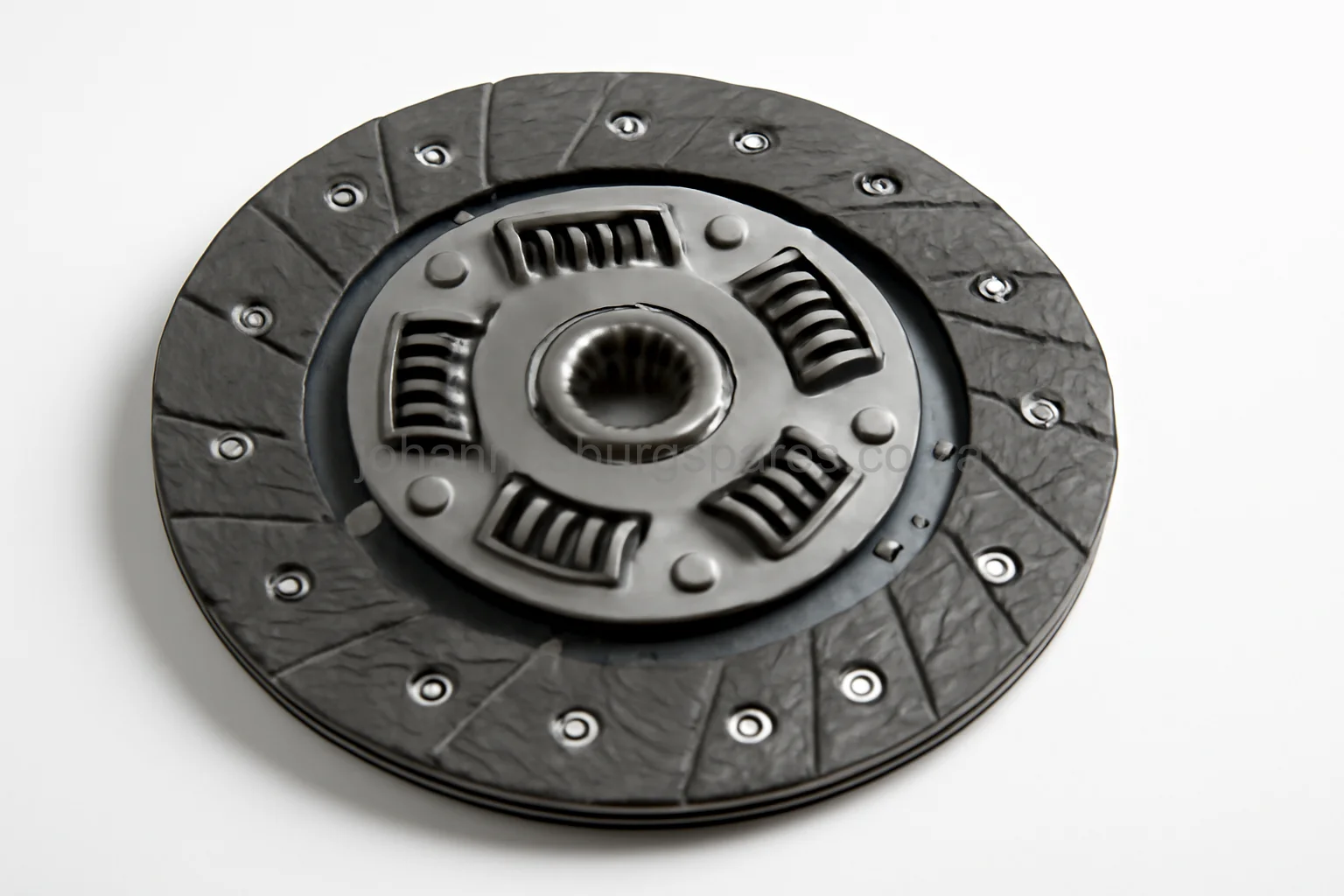
Triber Clutch Kits & AMT Clutch-Pack Parts
Clutch kits for both the 5-speed manual and the Easy-R AMT's internal clutch pack, new and quality aftermarket. Tell us your VIN and variant and we'll price it today.
2. Underpowered 1.0L engine — a recurring complaint in SA reviews
The Triber's 1.0L naturally aspirated three-cylinder makes a modest 52kW and 96Nm, tuned primarily for flatter, denser Indian traffic conditions, and four separate South African write-ups all landed on the same conclusion. AutoTrader SA found it "fine for inner-city driving with one occupant on board, but became a big problem with five adult occupants on board when attempting to drive on the highway," adding the engine "is simply not powerful enough, having to be kept on the boil just to keep up with other vehicles on the open road" and that it "simply feels underpowered" 4. The Citizen was blunter still: "it feels seriously underpowered and gear changes are not a pleasure," noting "none of these help when you have seven souls on board" 7. cars.co.za's reviewer flagged that "throttle and clutch modulation is tricky; far too much concentration is required to achieve smooth progress," and — specifically relevant here — warned that performance "will be worse at altitude" 56.
That altitude warning matters in Johannesburg specifically. The city sits at roughly 1,750m, and a naturally aspirated engine has no forced induction to compensate for the thinner air — it simply makes less power the higher you go, on top of an output that's modest to begin with. There's no part that fixes this — it's a specification, not a fault — but it's the single biggest reason to test-drive a Triber fully loaded and on an uphill stretch before you commit, and to specifically compare the 1.0 Turbo RXZ variant, which several reviewers found a meaningfully better fit for Highveld driving.
Watch: MotorBeam's Renault Triber long-term review — real-world niggles, mileage, comfort and performance after extended ownership, useful context before the cost breakdown below.
3. Air-conditioning that struggles under full load
Owner feedback on the Triber's AC is genuinely mixed — several CarDekho-aggregated reviews rate the blower positively, one describing it as simply "so strong" — but the pattern that recurs across a commercial reliability write-up is the combination of the small 1.0L engine and a compact compressor. CARS24's assessment is specific: "its 1.0-litre engine and a small AC compressor might not be sufficient to quickly cool the cabin with full load" 89.
Read that for what it is: not every Triber has weak AC, but the engine-and-compressor combination is a known limiting factor once all three rows and the engine are working hard together — exactly the Johannesburg summer, full-car, uphill scenario this guide keeps coming back to. On a test drive, run the AC with all vents open, load the car if you can, and see whether front cooling holds up. If a compressor genuinely has failed rather than just being under-specified, budget roughly R3,000–R7,500 for a full fitted job (parts, regas and diagnostics) depending on whether it's a belt, a regas or the compressor itself.
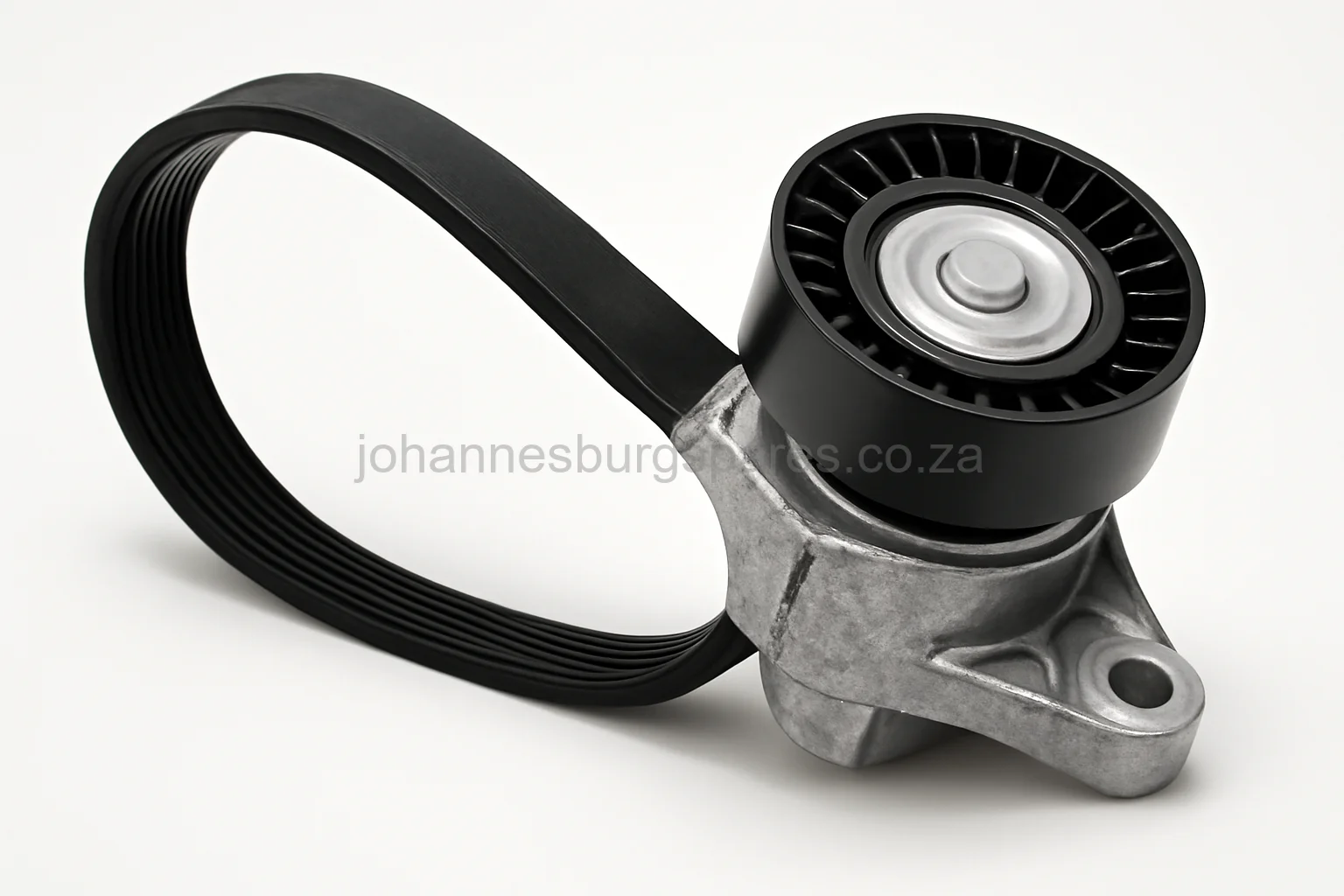
Triber AC Drive Belts, Hoses & Cooling Parts
Compressor drive belts, AC hoses and cooling-system components for the Triber's 1.0L engine bay. Send us your symptoms and we'll check stock and price a fix.
4. Interior rattles and inconsistent fit-and-finish
Budget-segment MPVs cut costs somewhere, and on the Triber CARS24's reliability write-up points to "low-quality material used in manufacturing, loose dashboard panels, and inadequate insulation," along with "loose or creaking door panels" and "seatbelt clips that rattle or shift" as the cabin ages 8. AutoTrader South Africa's own editorial assessment was equally direct: "the general fit and finish is not of the highest quality, but then again, this is a cheap car, so this is to be expected" 4. Team-BHP's long-term ownership reports from the Indian market echo the same pattern of cabin rattles developing with age and mileage 11.
None of this is expensive or safety-related — most fixes are a matter of re-securing a clip, adding foam padding, or a dab of silicone on a plastic joint, running roughly R350–R1,800 unless a specific trim panel needs replacing outright. It's worth budgeting a little extra rattle-chasing time into ownership, and worth remembering that a Triber with a lot of kilometres from ride-hailing use will usually show more of this than a lightly-used private car — which is exactly why the next point matters.
5. Bonnet latch technical campaign — check this for free before anything else
This is the one item on this list that costs nothing and is worth doing immediately: Renault ran a technical/safety-quality campaign covering roughly 75,305 Triber units built between 24 May 2019 and 1 June 2021, reinforcing the original bonnet lock holder over a risk that the bonnet retention mechanism wasn't fully secured. Renault India's own recall reporting confirms the campaign scope, and Renault South Africa's aftersales portal separately runs a "Technical Upgrade Check" that explicitly names the Triber in a safety/quality-campaign VIN-lookup context 121314.
If your car falls in that build window, book a free VIN check through Renault South Africa's Technical Upgrade Check, and get the rectification done at no cost if it hasn't already been actioned. There's no reason to skip this — it's the cheapest item on the whole list.
6. Manual clutch wear — a real cost, especially on rideshare cars
On the 5-speed manual, the tell-tales of clutch wear are familiar: shuddering or slipping on pull-off, and a clutch pedal biting point that creeps higher as the friction material thins — the same clutch-deterioration pattern Autocar India documented on the AMT applies to the manual's clutch too 1. What's specific to the Triber in South Africa is how much duty-cycle variation there is: the model has become a genuinely popular choice for e-hailing, with cars.co.za's SA launch coverage noting that "Renault South Africa has embraced this clientele with open arms — understanding that the Triber has become a popular choice amongst business owners who transport people for a living" 15. Stop-start city duty cycles, combined with the engine's modest 96Nm meaning more clutch slip is needed to pull away (especially loaded or on an incline), wears the friction material meaningfully faster than typical private use.
A Triber-specific 1.0 manual clutch kit (disc, cover plate and release bearing) is available locally from around R2,600 for parts alone 16; full fitted jobs on the closely related Kwid/Sandero platform in real South African workshop quotes ranged from about R3,275 to R6,839, which brackets a realistic R2,600–R7,000 all-in budget for the Triber. If you're buying a manual and the seller mentions rideshare use, budget for this sooner rather than later.
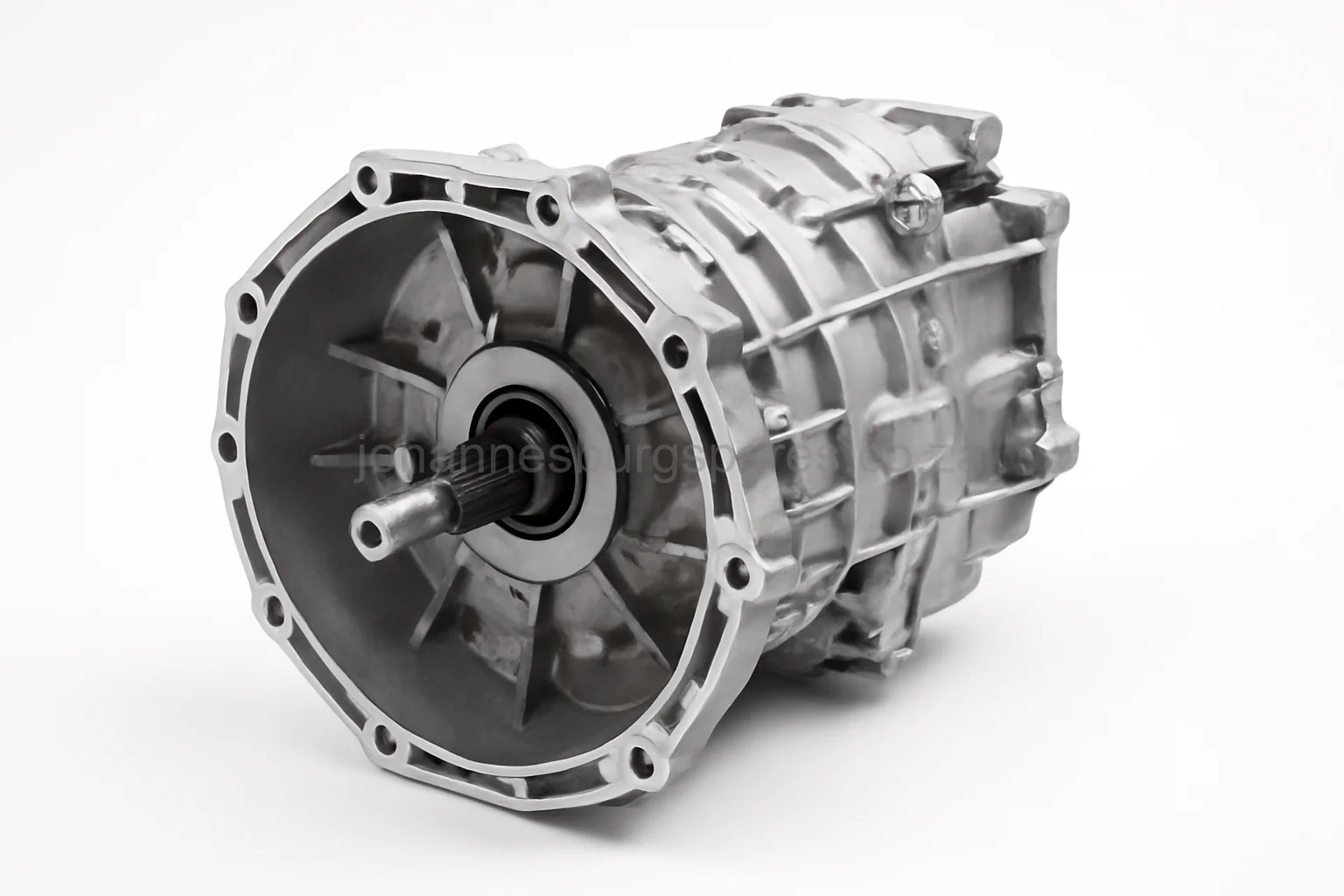
Triber Gearbox & Transmission Parts
5-speed manual gearbox components and Easy-R AMT transmission parts for the Triber, used and quality aftermarket. WhatsApp your VIN and we'll confirm stock.
What it costs to fix in South Africa
Quick-reference cost guide using typical Johannesburg parts-and-labour ranges. The engine's drivability is a specification, not a repair item, so there's no cost against it — it's a buy-carefully item, not a fix-it item.
| Problem | Likely fix | Typical SA cost (fitted) |
|---|---|---|
| AMT jerky shifts | Clutch pack / actuator service once confirmed | R1,500 – R7,000 |
| Underpowered engine | N/A — design characteristic, test-drive before buying | N/A |
| Weak air-conditioning | Drive belt, regas or compressor replacement | R3,000 – R7,500 |
| Interior rattles / loose trim | Trim clips, fasteners, panel re-securing | R350 – R1,800 |
| Bonnet latch campaign | Free VIN check + rectification via Renault SA | R0 |
| Manual clutch wear | Clutch kit + fitting | R2,600 – R7,000 |
Good to know: the Triber has genuinely earned its reputation as a cheap, practical seven-seater, and most of what's on this list is manageable with an alert pre-purchase inspection rather than expensive surprise repairs. The one item that costs nothing — the bonnet latch VIN check — is also the one most buyers skip because it isn't obvious from a test drive.
Buying a used Renault Triber: what to actually check
- Check the VIN for the bonnet latch campaign through Renault South Africa's Technical Upgrade Check before you do anything else — it's free.
- Test-drive fully loaded, including uphill, if you can arrange it. This is the only way to feel whether the 1.0L NA's power is acceptable for your actual use, especially at Johannesburg's altitude.
- On an automatic, pull away from a dead stop several times. A single jerk is normal AMT character; a shudder that repeats every time is the clutch-wear tell.
- Run the air-con with all vents open, ideally with the car loaded, and see how the front cooling holds up. It won't tell you much on an empty car with one person aboard.
- Ask directly whether the car has been used for e-hailing or ride-sharing. It's genuinely common for this model in SA, and it accelerates clutch wear specifically — factor a clutch kit into your budget if the answer is yes.
- Check interior trim and listen over speed bumps for rattles — cheap to live with, but useful negotiating leverage.
- Ask for full service history, especially clutch-related work, and confirm any warranty-period repairs were done through an authorised Renault dealer.
When something on your Triber does need replacing, you don't have to pay dealer prices for it. We supply new, used and quality aftermarket Renault Triber spares — clutch kits, AC and cooling parts, gearbox components and more — plus parts for the wider Renault range. If you're also cross-shopping the Kwid or Kiger, our guide to Renault Kiger parts and running costs is worth a read too, since several components cross over. Send us your VIN and the part you need and we'll come back with a price, usually the same day.
Frequently Asked Questions
What are the most common problems with the Renault Triber in South Africa? The recurring issues are a jerky-shifting AMT gearbox on RXT/RXZ automatic variants (which worsens as the clutch wears), a 1.0L engine that multiple South African reviewers found underpowered, especially loaded, air-conditioning that can struggle to cool the cabin with all three rows and the engine both under load, interior rattles and inconsistent fit-and-finish, a genuine free bonnet-latch technical campaign on cars built May 2019–June 2021, and clutch wear that's accelerated on cars used for e-hailing. None are severe, but the recall check costs nothing and is worth doing immediately.
Is the Renault Triber's AMT gearbox reliable? It's a low-cost single-clutch AMT, not a dual-clutch or torque-converter unit, so some jerkiness pulling away is a known characteristic rather than a fault — one expert review even called it "quite responsive." A long-term ownership test found the picture worsens with age: clutch wear made standstill engagement progressively jerkier over time, so a shudder on an older or higher-mileage example is worth a proper diagnosis before you buy.
Does the Renault Triber have a recall in South Africa? Yes — Renault ran a technical/safety-quality campaign covering roughly 75,305 Triber units built between 24 May 2019 and 1 June 2021 to reinforce the bonnet lock holder. Renault South Africa's Technical Upgrade Check lets you look up your VIN for free and book rectification at no cost if your car is affected.
Why do reviewers say the Renault Triber feels underpowered? The 1.0L naturally aspirated three-cylinder makes a modest 52kW and 96Nm, and four separate South African reviews all found it struggles once loaded with passengers. Naturally aspirated engines also lose proportionally more power at altitude with no forced induction to compensate, which one reviewer specifically flagged would make the problem "worse at altitude" — relevant for Johannesburg's roughly 1,750m elevation. The 1.0 Turbo RXZ variant is a better fit if this matters to you.
How much does a Renault Triber clutch replacement cost in South Africa? A manual clutch kit, including the disc, cover and release bearing, starts from around R2,600 for parts alone, with a full fitted job realistically landing between R2,600 and R7,000 depending on labour and whether other components need attention. Cars used for e-hailing typically need this sooner than privately-used examples.
Where can I buy Renault Triber parts in Johannesburg? Johannesburg Spares supplies new, used and quality aftermarket Triber parts, including clutch kits for both manual and AMT variants, AC and cooling components, and gearbox parts, with delivery across Gauteng. Send us your VIN and the part you need and we will quote you, usually the same day.
Sources
- Autocar India — Renault Triber AMT Long-Term Review, Final Report
- CarWale — Renault Triber AMT: Pros and Cons (expert review)
- CarWale — Renault Triber Owner Review
- AutoTrader South Africa — Renault Triber 1.0 Prestige Review (2021)
- cars.co.za — Renault Triber 1.0 Prestige (2020) Review
- CAR Magazine SA — Driven: Renault Triber 1.0 Prestige
- The Citizen — "What She Said": Renault Triber Too Weak to Carry Whole Tribe
- CARS24 — Common Issues in the Renault Triber
- CarDekho — Renault Triber User Reviews: Air-Conditioning
- Team-BHP — Ownership Review: My Renault Triber RXZ Electric Blue
- Renault South Africa — Technical Upgrade Check (Official Aftersales Portal)
- CarSaar — More Than 75,000 Units of Triber Require Inspection
- Renault India — Official Product Update / Recall VIN-Lookup Portal
- cars.co.za — Renault Triber (2025) Launch Review
- AfricaBoyz Online — Renault Triber 1.0 B4D4 (2020) Clutch Kit Listing
Please note: This guide is general information for South African motorists and not a substitute for advice from a qualified mechanic. Prices, availability and fitment vary by vehicle — always confirm the correct part for your exact make, model and year before buying.